Improve Your Transportation Management

Select a process
Choose a process to continue working in your connected workspace.
Optimize Transportation Management in Oracle OTM
Transportation management often involves complex global logistics, leading to bottlenecks and unexpected delays. Our platform helps you pinpoint inefficiencies, monitor carrier performance, and identify hidden optimization opportunities. This ensures timely, cost-effective deliveries and a transformed supply chain.
Download our pre-configured data template and address common challenges to reach your efficiency goals. Follow our six-step improvement plan and consult the Data Template Guide to transform your operations.
Show detailed description
Unlocking Efficiency in Transportation Management with Oracle OTM
Optimizing your Transportation Management processes is not just about moving goods, it is about enhancing your entire supply chain's performance, reducing operational costs, and ultimately boosting customer satisfaction. In the complex landscape of global logistics, especially when operating within a robust system like Oracle Transportation Management, identifying inefficiencies can be a significant challenge. Delays, unexpected costs, and compliance issues often hide within the intricate web of activities from shipment request to final payment. Understanding the true flow of your shipments is the first step toward significant, lasting improvement.
How Process Mining Illuminates Your Logistics
Process mining offers a powerful lens to view your Transportation Management operations, providing an objective, data-driven perspective of every shipment's journey. By leveraging event logs from your Oracle Transportation Management system, process mining reconstructs the complete, end-to-end lifecycle of each shipment, revealing the actual process as it unfolds, not just how it is theoretically designed. This unique capability allows you to pinpoint exact bottlenecks, deviations from standard operating procedures, and areas of unnecessary rework or delay. You can analyze critical aspects such as carrier performance by comparing promised transit times against actual delivery schedules, or identify common sticking points in customs clearance. This deep dive into your operational data helps you understand why delays occur, helping you tackle issues such as late pickups, extended dwell times at specific hubs, or inefficient routing. This detailed analysis is crucial for anyone seeking how to improve Transportation Management efficacy.
Key Areas for Improvement in Transportation Management
With process mining, several critical areas within your Transportation Management process become ripe for optimization. You can uncover opportunities to streamline your operations and reduce costs significantly. For instance, you might discover that certain modes of transport consistently lead to longer cycle times than anticipated, or that specific origin-destination pairs frequently experience delays due to documentation issues. Identifying these patterns allows for targeted interventions, such as renegotiating carrier contracts based on empirical performance data, optimizing shipment planning to avoid recurring bottlenecks, or refining internal communication to accelerate customs procedures. Furthermore, analyzing the 'Proof of Delivery Received' to 'Payment Processed' segment can reveal inefficiencies in freight bill auditing, leading to faster payment cycles and improved financial flows. By focusing on these areas, you can directly influence how to reduce Transportation Management cycle time and increase operational fluidity.
Achieving Measurable Outcomes and Sustained Benefits
The insights gained from process mining translate directly into tangible, measurable benefits for your organization. You can expect significant reductions in overall transportation costs through better route optimization, improved carrier selection based on performance metrics, and minimized demurrage and detention fees. On-time delivery rates will improve, leading to heightened customer satisfaction and a stronger competitive edge. Your organization will also experience faster end-to-end shipment cycle times, enhancing supply chain responsiveness and agility. Beyond cost and speed, compliance with regulatory requirements becomes easier to monitor and enforce, mitigating risks. Ultimately, process mining empowers you to move from reactive problem-solving to proactive process optimization, fostering a culture of continuous improvement within your Oracle Transportation Management ecosystem.
Start Optimizing Your Logistics Today
Embarking on your journey to optimize Transportation Management with process mining in Oracle OTM does not require extensive technical expertise. This solution is designed to guide you through identifying improvement opportunities with clear, actionable insights. By leveraging the power of your existing data, you can quickly gain visibility and begin making data-driven decisions that will transform your logistics operations. Explore the provided resources and discover how easy it is to start enhancing your transportation efficiency today.
The 6-Step Improvement Path for Transportation Management
Download the Template
What to do
Get the Excel template designed for Transportation Management in Oracle Transportation Management. This template ensures your data is structured correctly for efficient analysis.
Why it matters
A standardized template streamlines data preparation, reducing errors and ensuring that all necessary information for comprehensive process analysis is captured.
Expected outcome
A pre-formatted Excel template ready for populating with your Oracle Transportation Management data.
Export Your Data
What to do
Extract 3-6 months of historical shipment data from your Oracle Transportation Management system. Populate the downloaded template with your real process data.
Why it matters
A robust dataset provides a comprehensive view of past operations, allowing ProcessMind to identify trends, deviations, and bottlenecks accurately.
Expected outcome
A populated data template containing a significant history of your transportation management activities.
Upload Your Dataset
What to do
Securely upload your completed data template to ProcessMind. Our platform will automatically begin processing your Oracle Transportation Management data.
Why it matters
This step initiates the automated analysis process, transforming raw data into insightful visualizations and actionable intelligence without manual effort.
Expected outcome
Your Oracle Transportation Management data is uploaded and undergoing automatic analysis by the ProcessMind platform.
Analyze Your Process
What to do
Explore the auto-generated dashboards and insights provided by ProcessMind. Use AI-driven recommendations to understand performance and identify process deviations in your OTM flows.
Why it matters
Gaining deep visibility into your transportation process helps pinpoint inefficiencies, compliance issues, and areas where carrier performance can be optimized.
Expected outcome
A clear understanding of your current Oracle Transportation Management process, including bottlenecks and improvement opportunities.
Implement Improvements
What to do
Prioritize the identified opportunities from ProcessMind's analysis, focusing on areas with the highest impact. Take concrete action to optimize your Oracle Transportation Management workflows.
Why it matters
Translating insights into action directly leads to tangible improvements in logistics efficiency, cost reduction, and enhanced service delivery.
Expected outcome
Optimized transportation management processes leading to more efficient logistics and reduced operational costs.
Monitor Your Process
What to do
Periodically re-upload updated data from Oracle Transportation Management to track the progress of your implemented changes. Continuously measure key performance indicator improvements over time.
Why it matters
Continuous monitoring ensures that improvements are sustained and allows for agile adjustments, maintaining peak operational efficiency and adapting to new challenges.
Expected outcome
Ongoing visibility into process performance and measurable improvements in your Oracle Transportation Management operations.
WHAT YOU WILL GET
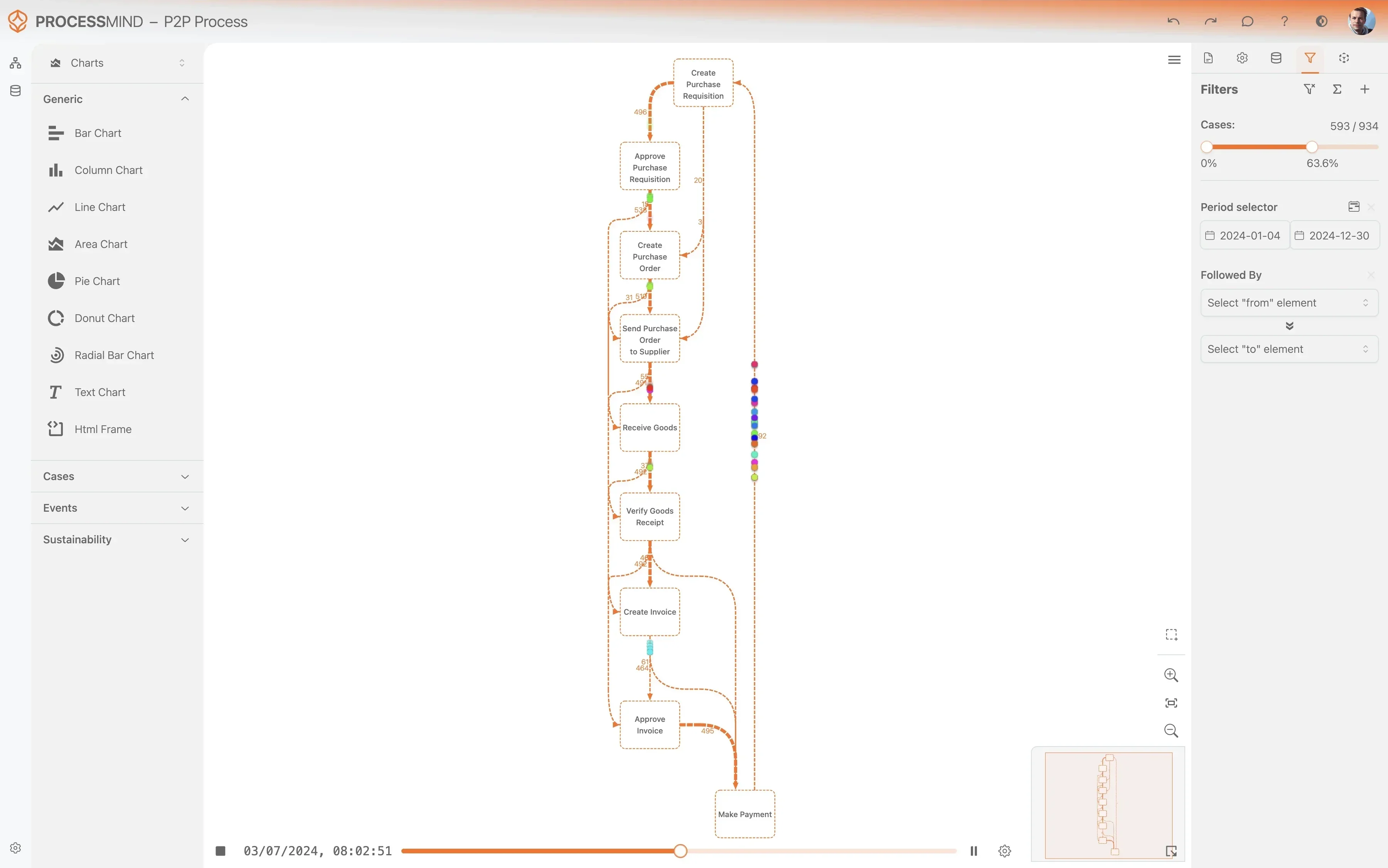
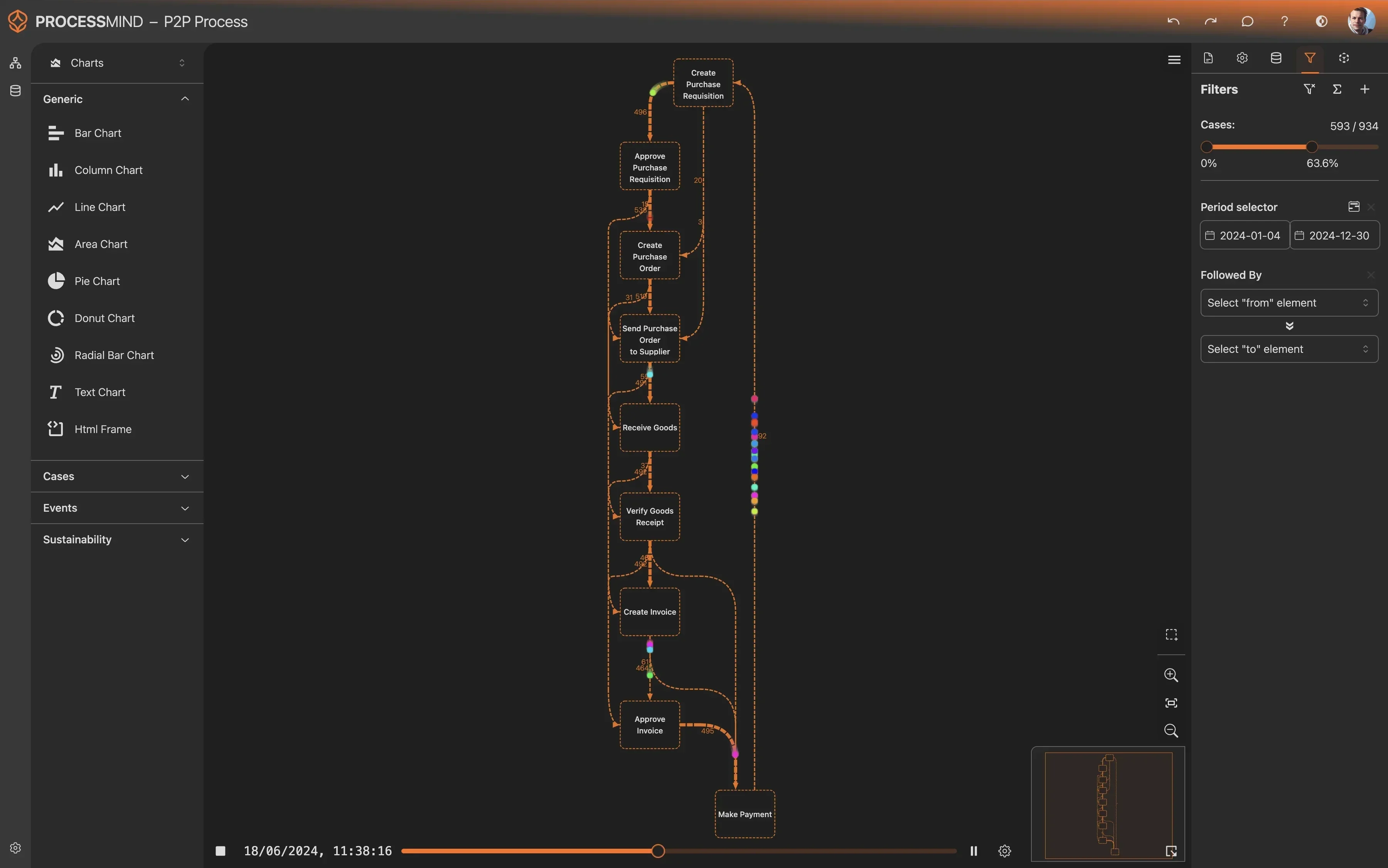
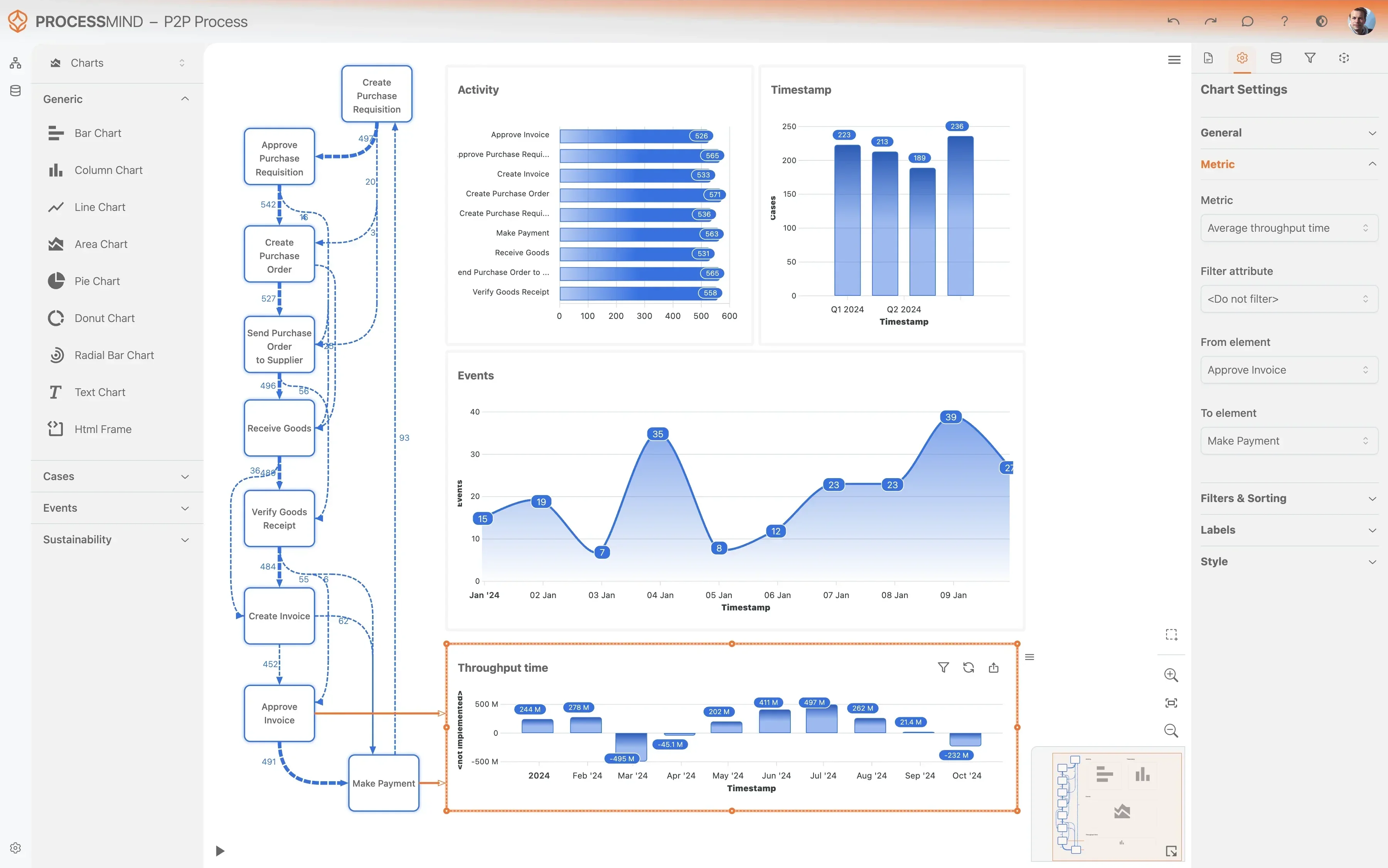
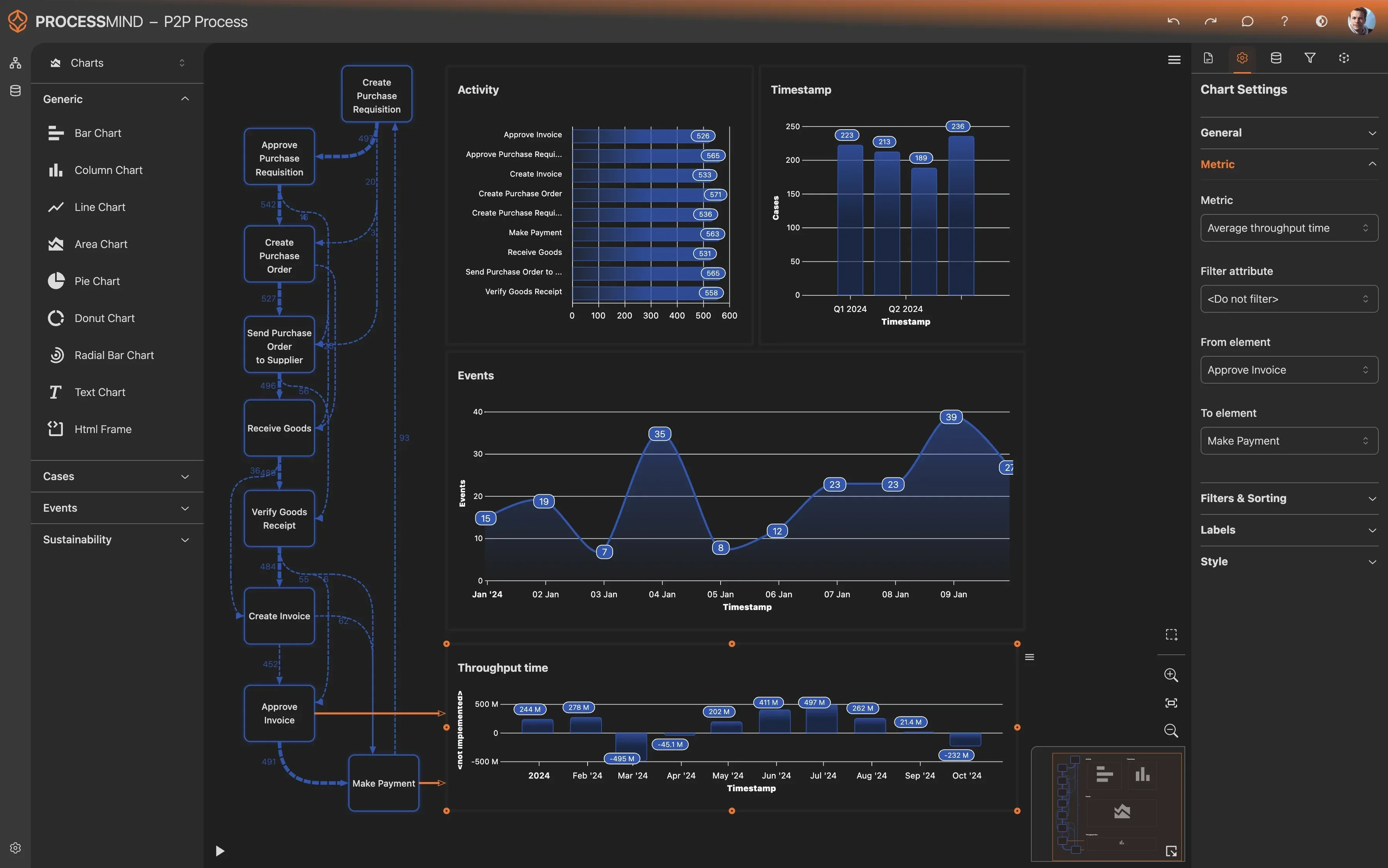
Uncover Your True Oracle OTM Logistics Flow
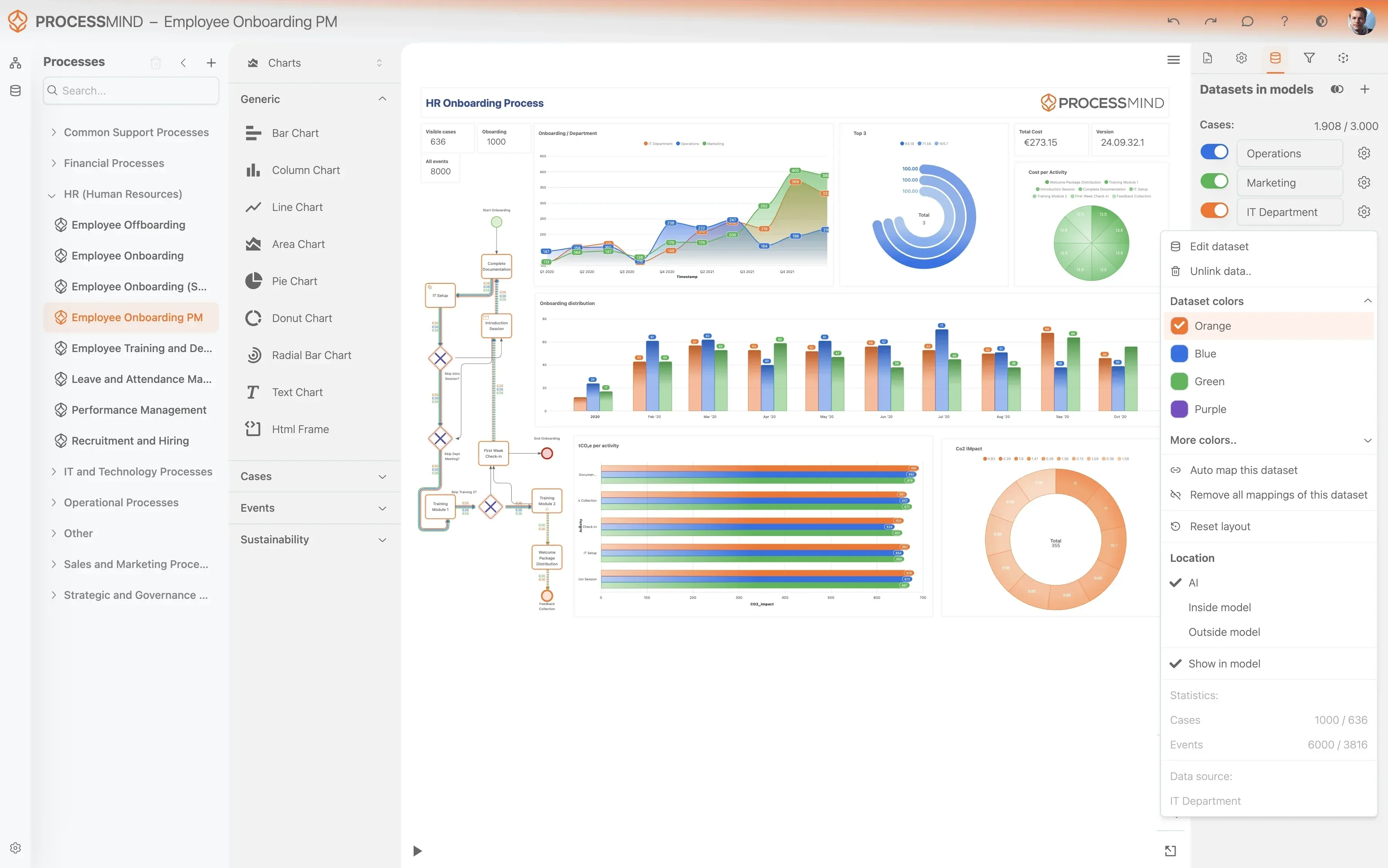
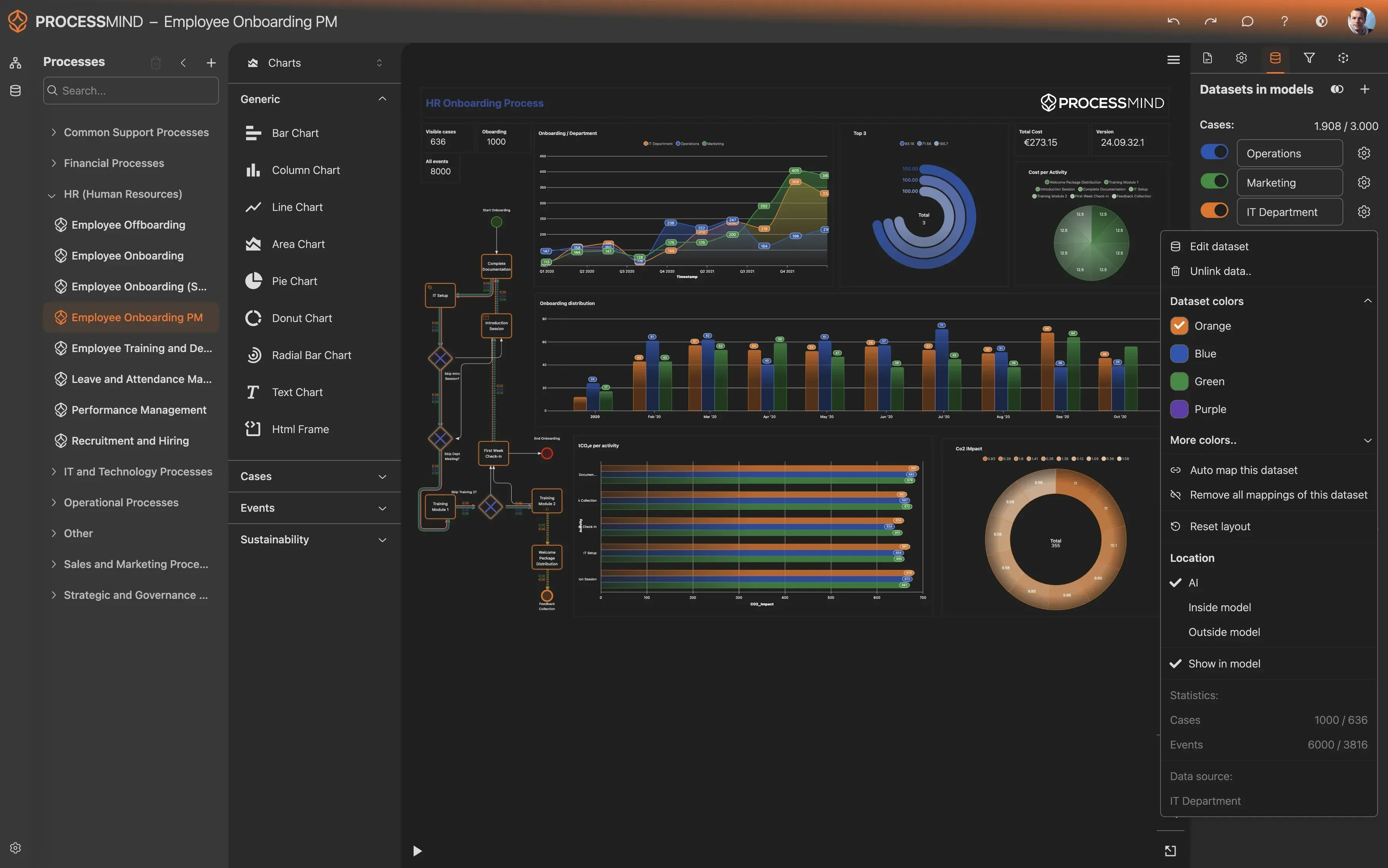
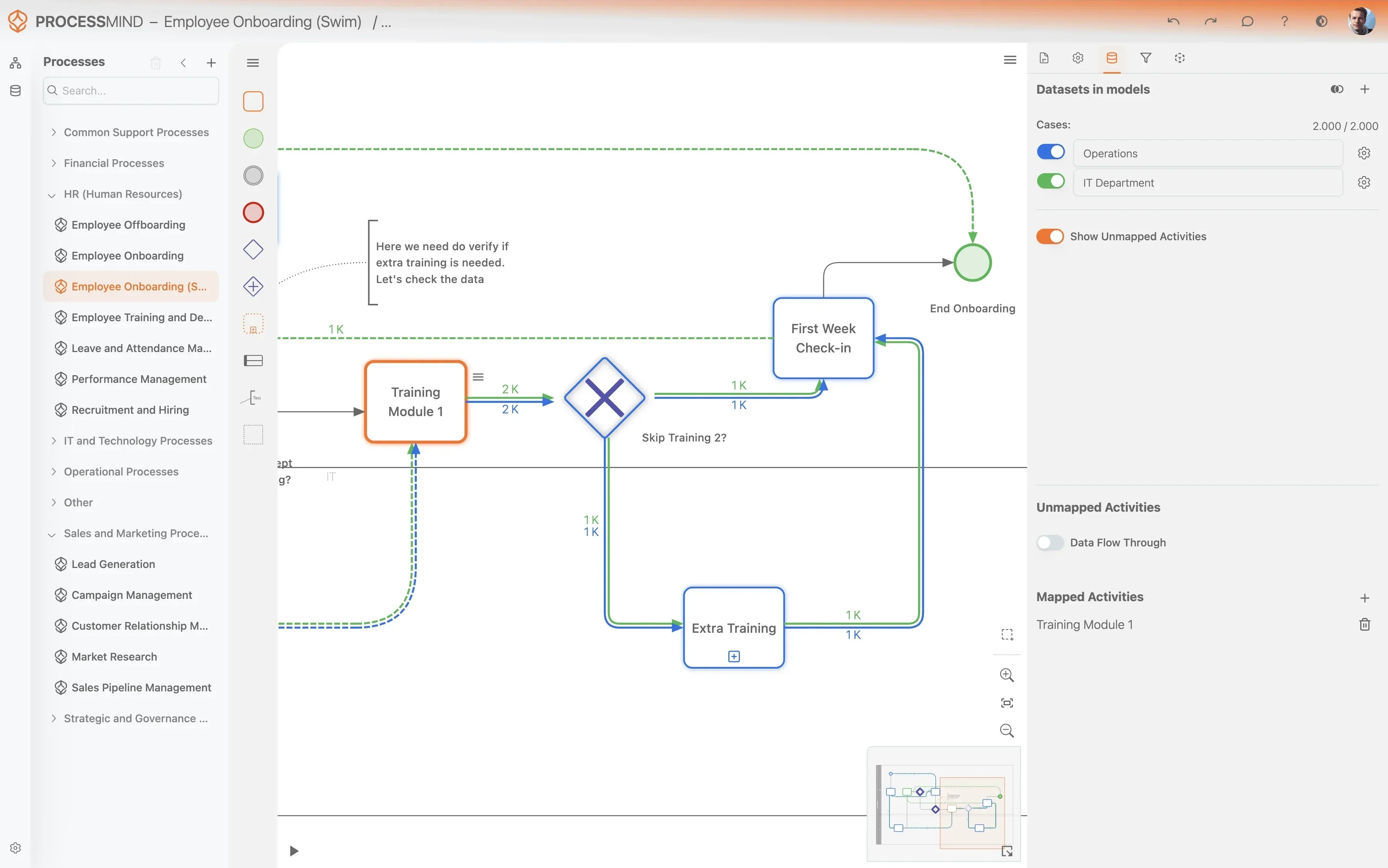
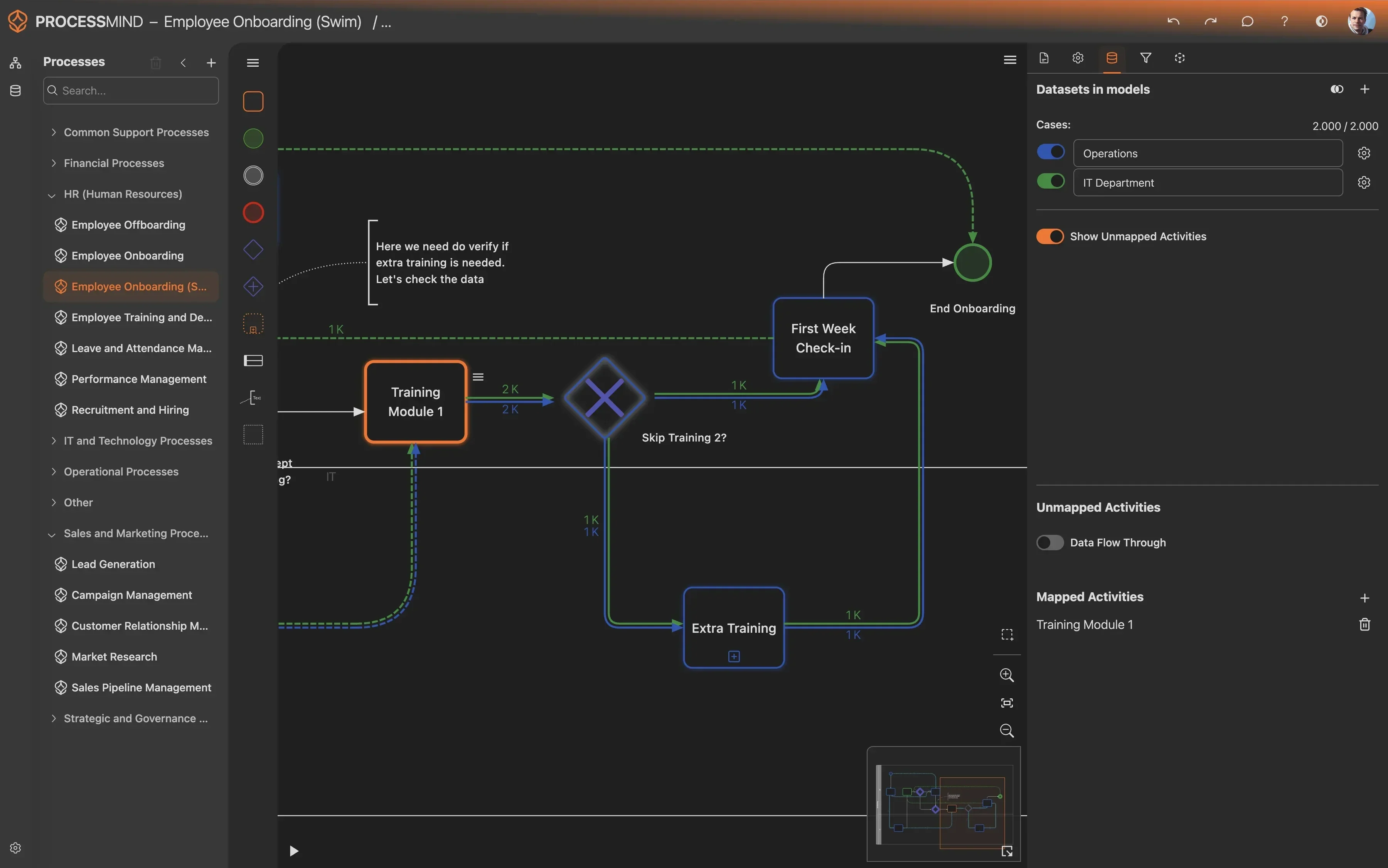
- Visualize actual Oracle OTM logistics paths
- Pinpoint carrier performance gaps
- Identify hidden delays and bottlenecks
- Optimize delivery times and costs
TYPICAL OUTCOMES
Achieving Operational Excellence in Transportation Management
Our analysis of Oracle Transportation Management, using Shipment as the case identifier, uncovers key insights and bottlenecks. These outcomes represent the typical improvements organizations realize by optimizing their transportation processes.
Increase in successful deliveries
By identifying and eliminating root causes of delays, organizations improve their ability to meet requested delivery dates, boosting customer satisfaction and reliability.
Average reduction in freight expenses
Process mining helps uncover inefficient carrier selection and routing, leading to significant savings on freight expenses by optimizing spend and contract adherence.
Average reduction in planning time
Streamlining the planning and booking process shortens the time from shipment request to confirmed booking, improving operational agility and resource allocation.
Reduction in freight invoice errors
By automatically detecting and resolving discrepancies in freight bills, companies ensure accurate payments, reduce administrative overhead, and avoid overcharges.
Average reduction in clearance time
Identifying bottlenecks in the customs clearance process helps expedite cross-border shipments, reducing dwell times and improving overall supply chain flow.
Results vary based on process complexity, data quality, and specific business objectives. These figures represent typical improvements observed across various implementations.
Recommended Data
FAQs
Frequently asked questions
Process mining reveals hidden inefficiencies and bottlenecks within your Oracle Transportation Management processes. It can pinpoint root causes of persistent delivery delays, identify suboptimal carrier selections, and expose issues in shipment planning and booking. By visualizing actual process flows, it helps reduce freight bill discrepancies and enhance in-transit visibility, leading to significant operational improvements.
To perform process mining, you primarily need event logs from your OTM system. This includes a case identifier, such as Shipment ID, an activity name, like "Shipment Booked" or "Proof of Delivery Received", and a precise timestamp for each activity. Key tables like S_SHIPMENT, SHIPMENT_EVENT, and S_ORDER_RELEASE typically contain the necessary information.
Data extraction from OTM usually involves querying its underlying database using SQL or utilizing its provided APIs for structured data access. Depending on your OTM version and configuration, standard reporting tools or data warehousing solutions can also facilitate extraction. Collaborating with your IT team is crucial to ensure secure and efficient data access.
Initial insights from process mining can often be achieved within weeks, especially if your OTM data is well-structured and readily accessible. More comprehensive analyses and deep dives into complex process variations might take a few months to fully mature. The speed of results often depends on data preparation efforts and the specific scope of the analysis.
Implementing process mining insights can lead to substantial improvements in your OTM-managed transportation operations. You can expect reductions in delivery delays, optimized carrier selection leading to cost savings, and accelerated shipment planning and booking. Additionally, it helps eliminate freight bill discrepancies and enhances real-time visibility into your logistics network.
No, process mining is a non-invasive analytical technique that operates on historical data extracted from your OTM system. It does not interfere with live transactions or require any changes to your active OTM environment. The analysis occurs independently, allowing your daily operations to continue without interruption.
While having data science expertise is beneficial, many modern process mining tools are designed with user-friendly interfaces. Business analysts and process owners can often use these tools effectively with some training, as long as they have a strong understanding of the OTM processes and the data. Complex analyses or model development might benefit from data scientist involvement, but it is not always a strict prerequisite.
Process mining analyzes historical shipment data to reveal actual carrier performance against contractual agreements and delivery SLAs. It identifies patterns in suboptimal routing, uncovering inefficiencies that lead to increased mileage and costs. By providing data-driven insights, it enables informed decisions for selecting better carriers and optimizing routes for future shipments.
A process mining tool typically requires robust data connectivity capabilities, such as direct database connectors for Oracle or API integrations, to access OTM data. It must be able to ingest and process large volumes of event log data efficiently. Compatibility with common data formats like CSV or Parquet is also essential for seamless data transfer.
Optimize Your Transportation Management Today
Cut cycle time by 30% and eliminate Oracle OTM bottlenecks.
No credit card required • Free 14-day trial