Improve Your Patient Journey
A 6-step guide to streamlining your MEDITECH workflows
Improve Your Patient Journey

Optimize MEDITECH Patient Journey for Enhanced Efficiency

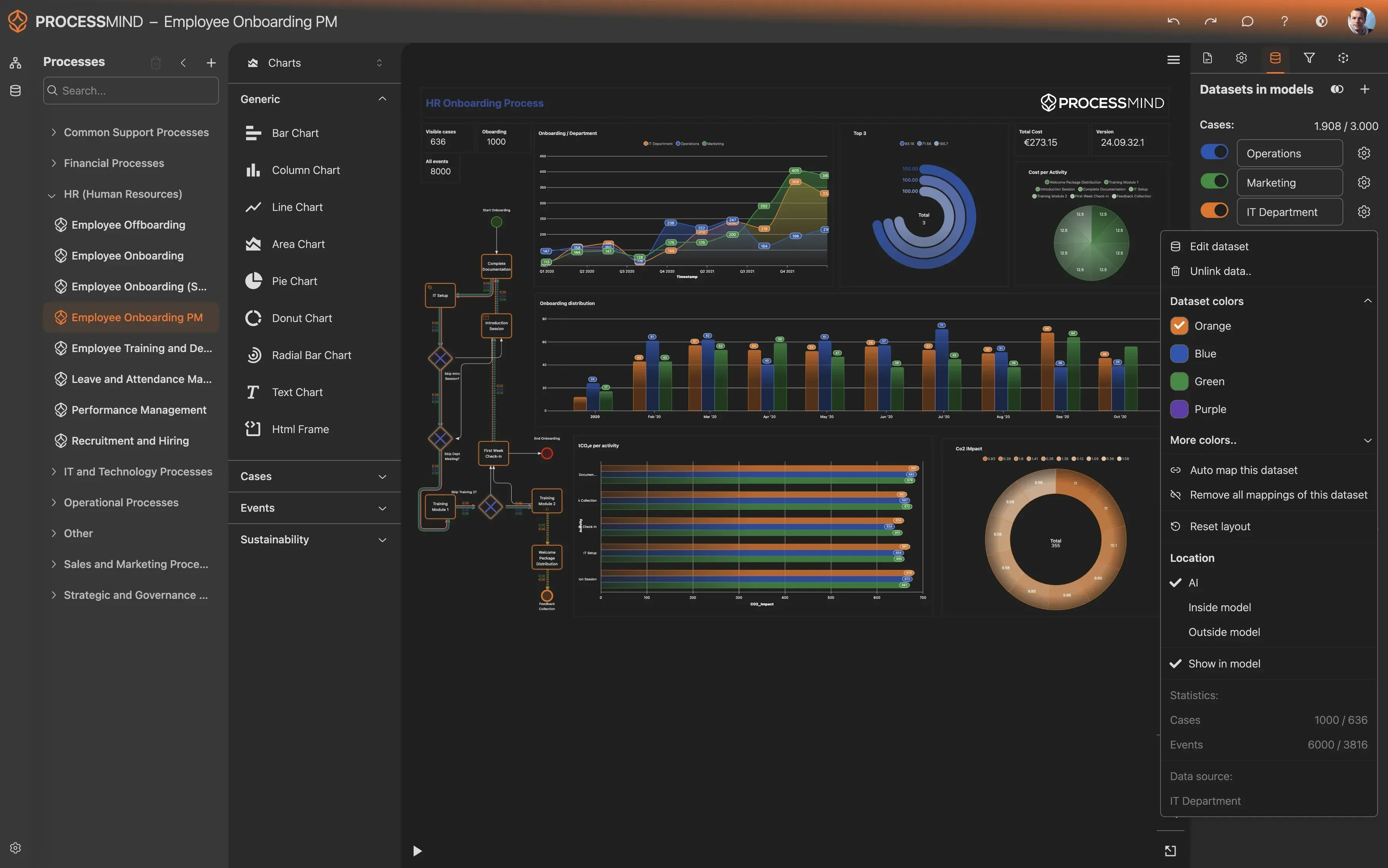
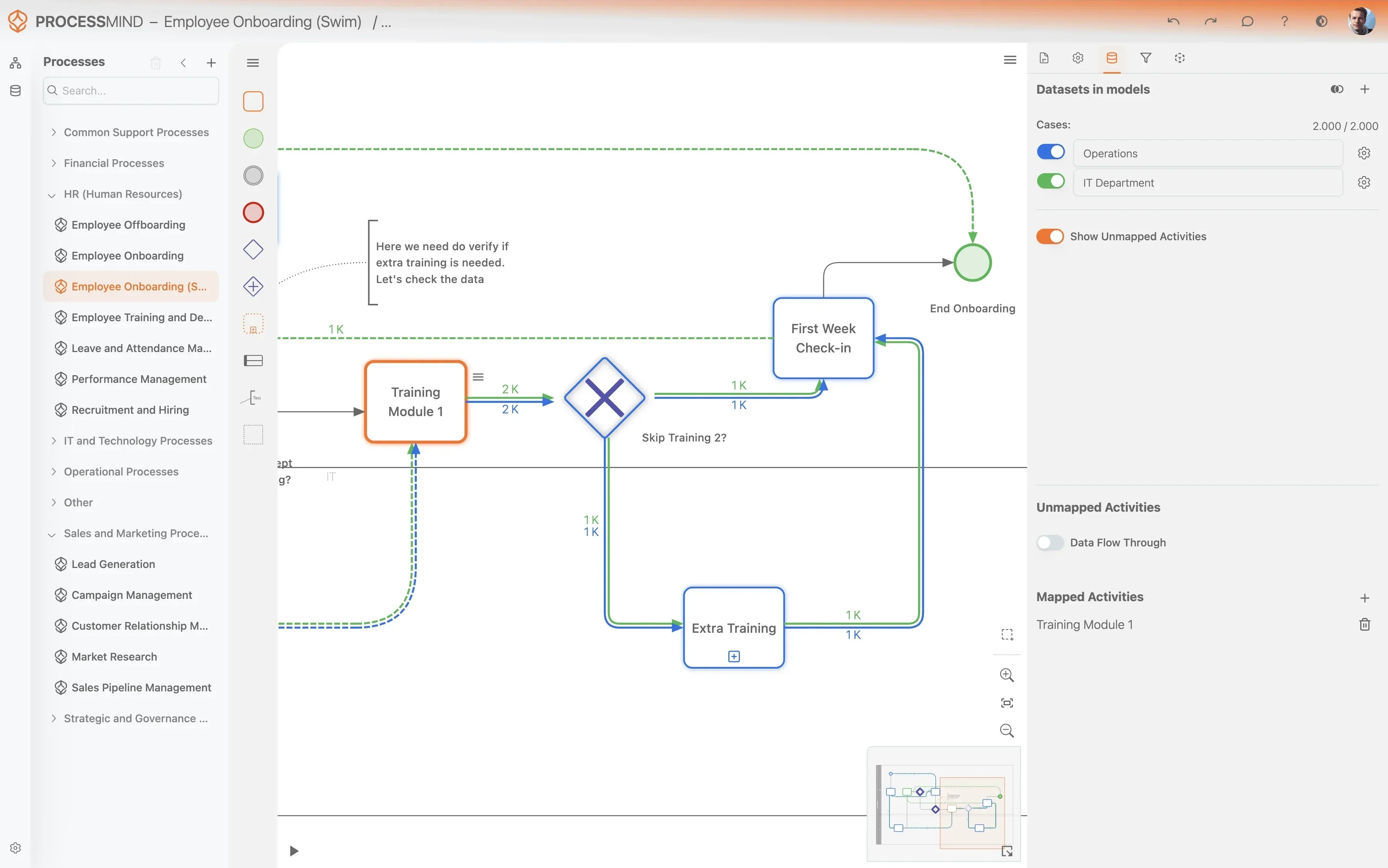
Process mining uncovers hidden bottlenecks and variations that disrupt clinical efficiency. Our platform helps you visualize the flow of care to pinpoint where delays occur and how resources are allocated. By identifying these friction points, you can streamline operations and enhance the overall experience for everyone involved.

Download our pre-configured data template and address common challenges to reach your efficiency goals. Follow our six-step improvement plan and consult the Data Template Guide to transform your operations.

Show detailed description

The Value of Optimizing the Patient Journey

The patient journey is the most complex process within any healthcare organization. In the MEDITECH environment, this journey spans across multiple modules and departments, making it difficult to maintain a unified view of efficiency. Optimizing the patient journey is not just about moving people through the system faster, it is about ensuring that every step adds value to clinical outcomes and patient safety. When flow is stagnant, it creates a domino effect that impacts bed capacity, emergency department wait times, and clinician burnout. By focusing on process optimization, healthcare leaders can ensure that the right care is delivered at the right time, reducing the unnecessary overhead that often plagues large medical institutions.

From a business perspective, the cost of inefficiency is staggering. Delayed discharges lead to lost revenue through bed blocking, while extended wait times in the emergency department can lead to patients leaving without being seen. Process mining provides the necessary lens to view these operational challenges as manageable data points. By understanding the flow within MEDITECH Expanse, organizations can transition from a reactive state of managing crises to a proactive culture of continuous improvement. This shift is essential for maintaining a competitive edge and meeting the high standards of modern value-based care models.

How Process Mining Transforms Care Delivery

Process mining serves as a diagnostic tool for your hospital operations. By extracting event data directly from MEDITECH, you can reconstruct exactly how patients move through your facility in real time. Instead of relying on anecdotal evidence or time-consuming manual audits, you gain a transparent, data-driven view of every interaction. This visibility allows leadership to see where patients deviate from established clinical protocols or where administrative delays, such as insurance verification or transportation wait times, stall the healing process.

The unique advantage of process mining in a MEDITECH environment is its ability to connect disparate data points. It links the registration in the ambulatory setting to the acute care triage and the eventual discharge and follow-up. This end-to-end visibility is crucial for identifying the true root causes of bottlenecks. For instance, a delay in the emergency department might actually be caused by a slow discharge process in the surgical ward. Process mining allows you to trace these dependencies across the entire organization, providing a single source of truth for process performance.

Identifying and Addressing Clinical Bottlenecks

One of the primary areas for improvement in the patient journey is the transition between departments. For example, the time between a physician ordering a diagnostic test in the MEDITECH Expanse platform and the technician performing that test can vary significantly depending on the time of day or the specific department involved. Process mining helps you isolate these specific handoff points. By analyzing the time spent in each state, you can identify if delays are caused by staffing shortages, equipment availability, or communication gaps within the MEDITECH interface itself.

Another critical area is the discharge planning process. Often, the medical decision to discharge happens much earlier than the patient's physical exit from the building. Identifying the lag between the discharge order and the actual departure can unlock significant bed capacity. Process mining reveals the specific activities, such as waiting for final lab results or coordinating with post-acute facilities, that extend the length of stay. By streamlining these final steps, hospitals can improve throughput and ensure that beds are available for incoming patients who need them most.

Measurable Benefits and Clinical Outcomes

The outcomes of these optimization initiatives are measured in both clinical quality and financial sustainability. Reducing the overall cycle time of a patient episode directly correlates to a lower average length of stay. For hospitals, this means the ability to treat more patients without increasing the physical footprint of the facility. Furthermore, streamlining the journey reduces the likelihood of medical errors associated with long wait times or rushed transitions between care teams. When the process is smooth, clinicians can focus more on the patient and less on navigating administrative hurdles.

Compliance and adherence to medical protocols also see a significant boost. Process mining can automatically flag instances where required documentation, such as a sepsis screening or a fall risk assessment, was bypassed or delayed. This automated monitoring ensures that every patient receives a standardized level of care, regardless of which department they are in or which clinician is attending to them. Over time, these incremental improvements lead to higher patient satisfaction scores and better overall clinical reputations.

Getting Started with Your Optimization Strategy

To begin your journey toward a more efficient hospital, you must first define the boundaries of your analysis. Starting with the patient episode as your primary case identifier allows you to see the full picture from the initial point of contact to the final follow-up. By utilizing specialized templates designed to work with the MEDITECH data structure, you can quickly move from data extraction to actionable insights. The goal is to create a living map of your processes that evolves as your hospital grows.

You are encouraged to start with a specific department or high-volume diagnosis to prove the value of the approach. Once you have identified and cleared the bottlenecks in one area, the methodology can be scaled across the entire enterprise. This proactive approach to process management transforms your MEDITECH EHR from a simple record-keeping system into a powerful engine for operational excellence and superior patient care.

Patient Journey clinical workflow hospital administration patient discharge triage management care pathway optimization health informatics

Common Problems & Challenges

Identify which challenges are impacting you

Patients often experience significant wait times between initial registration and triage assessment, leading to overcrowding and reduced quality of care. These delays create a ripple effect, slowing down downstream activities like diagnostic testing and bed assignments, which ultimately impacts patient satisfaction and clinical outcomes.

ProcessMind analyzes event logs from MEDITECH to pinpoint exactly where triage delays occur and identifies the variables, such as shift changes or patient volume, that correlate with these bottlenecks. By visualizing the actual patient flow, hospital administrators can reallocate staff during peak periods to ensure smoother transitions.

Delays between ordering a diagnostic test and confirming the diagnosis can stall the entire treatment plan. When lab results or imaging reports are not processed promptly, patients remain in observation longer than necessary, consuming valuable bed space and delaying critical medical interventions.

Our platform maps the time elapsed between order and performance activities within the patient journey, highlighting specific departments or test types causing friction. Using these insights, healthcare providers can optimize lab workflows in MEDITECH to reduce the interval between testing and confirmed diagnosis.

Many hospitals struggle with discharge planning that starts too late in the patient episode, resulting in discharge delays even when a patient is medically fit. This inefficiency leads to bed blocking, where incoming patients cannot be admitted because existing patients are waiting for administrative paperwork or transportation.

ProcessMind tracks the timing of discharge planning initiation relative to the total length of stay, identifying patterns where late planning causes departures to miss target windows. This allows management to implement protocols that trigger discharge activities earlier in the care pathway.

When clinicians deviate from standardized treatment protocols, it often leads to inconsistent patient outcomes and unpredictable resource consumption. These deviations are difficult to track manually across thousands of episodes, making it hard to identify why certain patients experience longer recovery times than others.

By comparing actual patient journeys against established clinical pathways, ProcessMind highlights non-compliant steps and unnecessary activities. Healthcare organizations can then use these findings to refine their MEDITECH protocols and ensure all patients receive the most efficient evidence-based care.

Moving patients between wards or departments, such as from the ICU to a general ward, often involves significant waiting periods. These transfer bottlenecks disrupt care continuity and increase the risk of communication errors between different clinical teams, potentially compromising patient safety.

Our solution visualizes every transfer activity within the patient journey, identifying specific department handovers that consistently experience delays. By uncovering these friction points, administrators can improve coordination and bed management strategies to facilitate faster, safer patient movement.

The time taken for a specialist to respond to a consultation request can significantly extend a patient's stay. Delays in receiving specialist input often mean that diagnostic or treatment steps are put on hold, preventing the patient from moving forward in their recovery journey.

ProcessMind measures the lead time from the consultation order to the actual specialist interaction across different departments. This data enables hospital leadership to identify specific specialties with high response times and adjust staffing or communication workflows within MEDITECH to accelerate consults.

Gaps between the prescription of medication and its actual administration can negatively impact treatment efficacy, especially for time-sensitive conditions. Inconsistent timing often results from nursing staff being overextended or delays in pharmacy delivery, but these issues are hard to quantify without detailed process data.

We analyze the timestamp data for medication orders and administration to identify systematic delays. By surfacing these gaps, hospitals can optimize their medication delivery loops and ensure that clinicians have the support they need to maintain strict administration schedules.

Significant variation in the length of stay for patients with the same primary diagnosis indicates process inefficiencies or inconsistent care delivery. This unpredictability makes it challenging for hospital management to plan for bed availability and manage patient throughput effectively.

ProcessMind clusters patient episodes by diagnosis and severity to reveal why some journeys take much longer than the average. By identifying the specific activities that cause duration spikes, healthcare providers can standardize their approach to reduce stay variance and improve bed turnover.

Failing to schedule follow-up appointments before a patient is discharged often leads to gaps in post-acute care and increases the likelihood of readmission. This lack of coordination creates a disjointed experience for the patient and makes it difficult for the hospital to track long-term recovery.

Our platform monitors the sequence of activities leading to discharge, specifically checking for the scheduling of follow-up care. By identifying episodes where this step is missed or delayed, providers can ensure that transition management is integrated into every patient journey.

Certain hospital departments often experience chronic over-utilization while others have excess capacity, leading to staff burnout and patient delays in specific areas. Without a clear view of how patients flow between departments, it is difficult to balance the workload across the entire facility.

ProcessMind provides a heat map of patient flow across all departments, showing exactly where clinical teams are most strained. This visibility allows administrators to make data-driven decisions about resource allocation and department staffing levels based on real patient volumes.

Frequent readmissions within 30 days of discharge are often a sign that the initial patient journey was incomplete or that the discharge process was premature. These readmissions are costly for the hospital and burdensome for the patients, often indicating underlying gaps in the care pathway.

We correlate readmission flags with previous patient journey data to find common patterns in clinical activities that precede a return to the hospital. Identifying these risk factors allows providers to adjust their treatment protocols and discharge criteria to prevent avoidable readmissions.

A delay in developing a comprehensive treatment plan after the initial assessment keeps patients in a state of uncertainty and slows the start of recovery. This often happens due to delays in multidisciplinary meetings or waiting for additional diagnostic inputs that are not prioritized.

ProcessMind tracks the duration between triage and the creation of a treatment plan, highlighting episodes where this transition exceeds internal benchmarks. This data helps clinical leads identify the barriers to rapid plan development and improve inter-departmental collaboration.

Typical Goals

Define what success looks like

Reducing the time between registration and initial assessment is critical for patient safety and satisfaction. Faster triage ensures that high-acuity patients receive immediate care, which significantly improves clinical outcomes and prevents overcrowding in emergency departments during peak hours. This goal focuses on creating a seamless entry point for every patient episode, ensuring that the journey starts without unnecessary delay.

ProcessMind visualizes the flow of patient episodes through MEDITECH, highlighting exact timestamps where delays occur during the triage phase. By analyzing these patterns, hospital administrators can identify specific shifts or days with high bottlenecks and adjust staffing to meet demand, potentially reducing initial wait times by over 25 percent across the facility.

Rapid turnaround for lab and imaging results allows clinicians to confirm diagnoses and begin treatments sooner. Reducing this latency directly impacts the total length of stay, as patients no longer occupy beds simply waiting for confirmation of their clinical status. Improving the speed of this vital step ensures that the entire care pathway moves forward with greater momentum and precision.

Our platform tracks the duration between diagnostic orders and the confirmation of results within the EHR system. This transparency helps departments pinpoint whether delays are caused by physical transport, processing backlogs, or data entry lags, enabling a 15 to 20 percent improvement in diagnostic speed by optimizing the handover between clinical and laboratory staff.

Initiating discharge planning shortly after admission prevents last-minute administrative hurdles that keep patients in hospital beds longer than medically necessary. Effective planning ensures that transportation, home care, and medications are coordinated well in advance of the actual departure. This proactive approach leads to higher bed availability and a smoother transition for the patient returning home.

Using process mining, you can monitor how early discharge activities are triggered relative to the admission date in MEDITECH. By identifying episodes where planning starts late, you can enforce standardized protocols that have been shown to reduce discharge delays by up to two days for complex cases, significantly improving hospital-wide bed turnover.

Reducing clinical variation ensures that every patient receives evidence-based care according to established hospital protocols. Consistent adherence to these pathways minimizes the risk of complications, reduces unnecessary testing, and creates more predictable recovery timelines across different departments. This standardization is key to providing high-quality care at a sustainable cost.

ProcessMind compares actual patient journeys against your ideal clinical models to detect deviations in real time. This allows clinical leads to understand why certain practitioners or departments drift from the standard, providing the data needed to increase pathway compliance by 30 percent or more and ensuring a more equitable experience for all patients.

Moving patients efficiently between wards, such as from the ICU to a general floor, is essential for maintaining bed availability for incoming emergencies. Delays in these transfers create ripples that slow down the entire hospital, often leading to boarded patients in the emergency room. Improving transfer velocity ensures that specialized resources are available for the patients who need them most.

We analyze the hand-off points within the patient journey to reveal exactly where internal transfers stall. By visualizing the time elapsed between a transfer order and the physical move, facilities can address communication gaps or cleaning delays, improving overall bed turnover rates by 10 to 15 percent and reducing department-level congestion.

Timely input from specialists is often the deciding factor in progressing a treatment plan. Faster response times for consult requests ensure that critical decisions are made quickly, preventing patient episodes from idling while waiting for expert opinions. This improvement is vital for complex cases where multidisciplinary care is required for recovery.

The platform measures the lag between the consultation request and the specialist's initial assessment recorded in the system. This visibility allows management to set and monitor service level agreements for different departments, aiming for a significant reduction in wait times for specialist interventions and ensuring that no patient remains in limbo while waiting for a consult.

Administering medications precisely as scheduled is vital for patient recovery and the prevention of adverse events. Maintaining strict timing for pharmacy orders and bedside administration ensures the highest standards of patient safety and clinical efficacy. Reducing gaps in this cycle directly contributes to faster healing and improved patient comfort during their stay.

Process mining tracks the flow from medication order to administration, flagging any significant deviations from the prescribed schedule within the MEDITECH environment. These insights help nursing managers identify systemic issues in pharmacy delivery or ward workflows, ensuring medication timing stays within safe parameters and reducing the risk of dosing errors.

A shorter, more predictable length of stay increases hospital capacity without requiring new physical infrastructure. By eliminating non-value-added time from the patient journey, hospitals can serve more patients while maintaining high quality of care. Predictable stays also improve resource planning for staffing, equipment, and ancillary services.

ProcessMind identifies the dead time in patient episodes where no clinical activities are occurring. Targeting these specific gaps allows for process redesign that can lower the average length of stay by 5 to 10 percent, directly improving the hospital's financial health and ensuring that patients spend no more time in a clinical setting than is medically necessary.

Securing follow-up care before a patient leaves the hospital is essential for preventing complications and ensuring long-term recovery. High rates of scheduled follow-ups correlate with better health outcomes and lower patient anxiety regarding their post-discharge care. This goal ensures that the patient journey continues seamlessly even after they leave the facility.

We track whether follow-up appointments are scheduled as part of the discharge process within the EHR. By highlighting gaps where this step is missed, hospitals can implement automated reminders or revised workflows to ensure every patient has a clear path for continuing their recovery, leading to a more comprehensive and successful healthcare experience.

Distributing patient load evenly across departments prevents burnout among clinical staff and ensures that no single area becomes a bottleneck. Effective resource balancing leads to a smoother journey for the patient and a more sustainable working environment for providers. It also reduces the need for expensive overtime or agency staffing during peak periods.

By analyzing patient flow patterns through different hospital departments, ProcessMind reveals peak times and underutilized areas. This data supports evidence-based decisions on staff allocation and equipment placement, helping to eliminate departmental overloads and improve overall operational harmony across the entire patient journey.

Minimizing readmissions is a key indicator of the quality and completeness of the original care journey. Effective discharge planning and thorough patient education reduce the likelihood of a patient returning shortly after their release, which is critical for both patient well-being and hospital performance metrics. Reducing readmissions also avoids potential financial penalties.

Process mining correlates the initial patient journey activities with readmission events to identify patterns that lead to returns. By uncovering common omissions or shortcuts in the original episode, providers can adjust their care pathways to reduce readmission rates by 15 percent or more, ensuring that the first treatment journey is as effective as possible.

Creating a comprehensive treatment plan early in the patient episode sets a clear direction for all subsequent clinical activities. Reducing the time it takes to move from diagnosis to a confirmed plan ensures that the patient begins the most effective course of treatment as soon as possible. This speed is especially critical in acute care settings where early intervention is vital.

Our analysis maps the duration between the confirmation of a diagnosis and the formal development of a treatment plan in MEDITECH. Identifying delays in this phase allows clinical leadership to streamline multidisciplinary meetings and data reviews, potentially cutting the time to treatment by 20 percent and improving the overall pace of clinical recovery.

The 6-Step Improvement Path for Patient Journey

1

Download the Template

What to do

Access the standardized Excel template designed for MEDITECH Patient Journey and review the required structure for clinical encounter data.

Why it matters

Starting with a structured format ensures that patient milestones like triage and discharge are captured correctly for deep process analysis.

Expected outcome

A ready-to-use template for organizing your clinical data.

YOUR CLINICAL INSIGHTS

Uncover Every Delay in Your MEDITECH Patient Flow

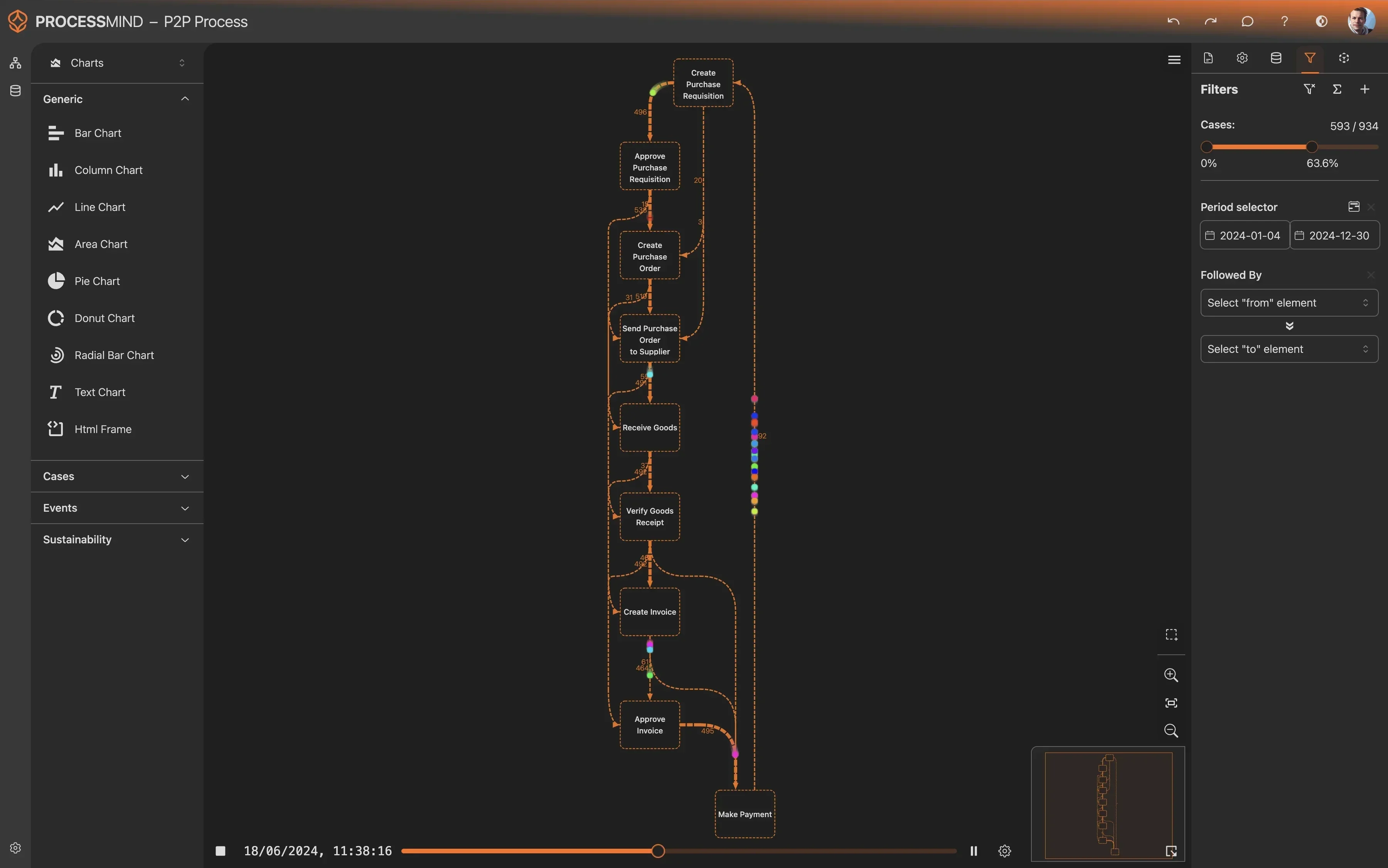
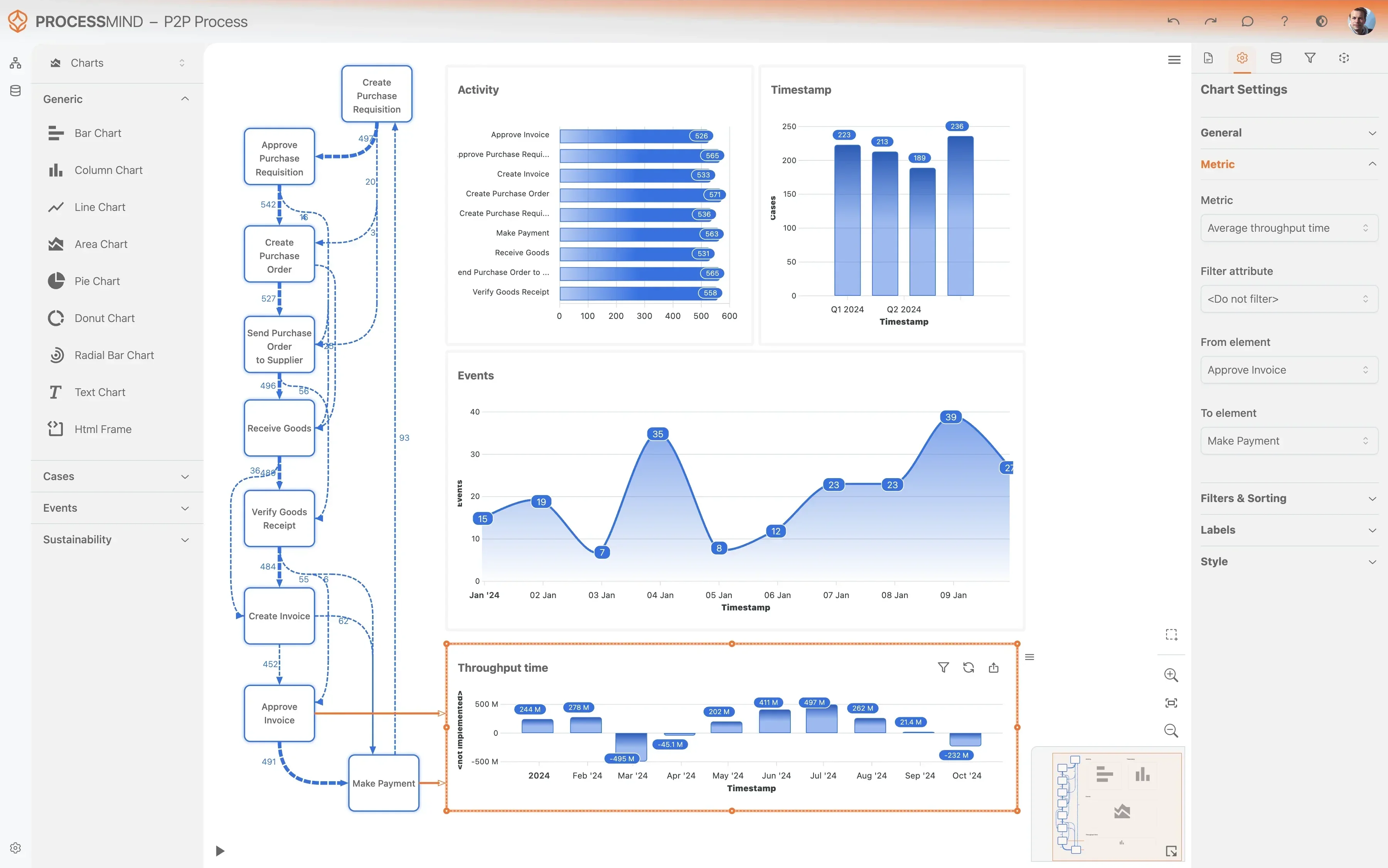
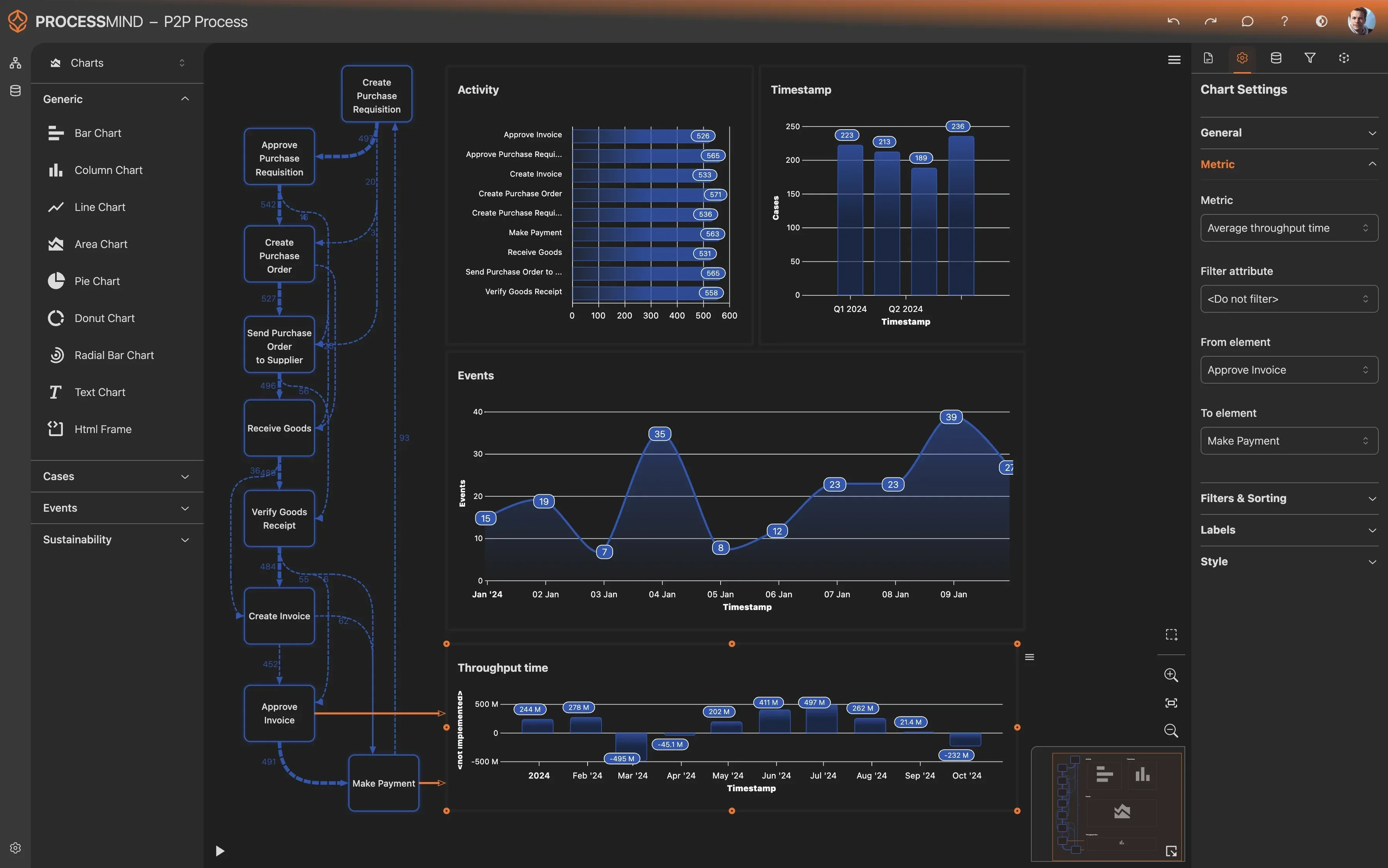
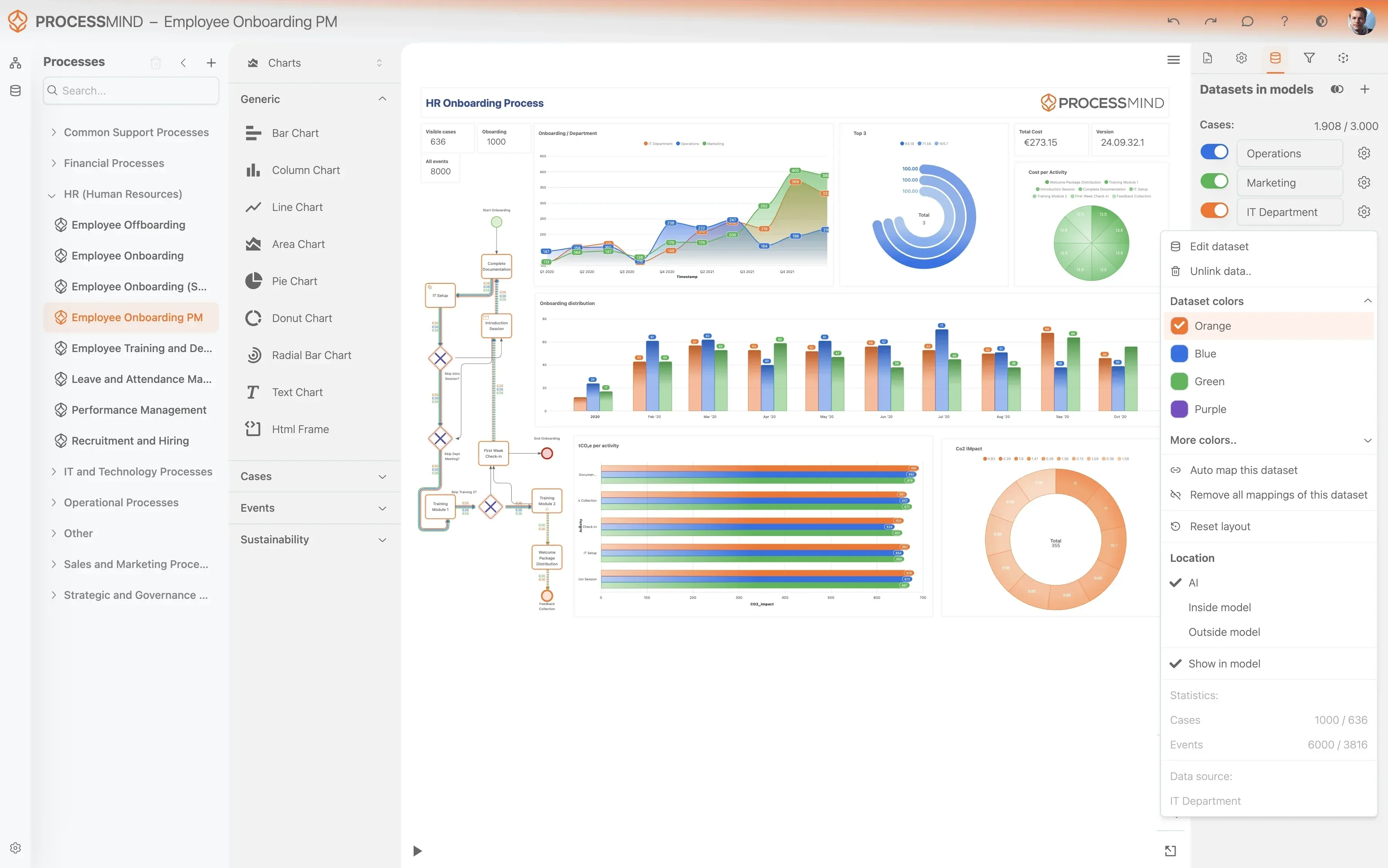
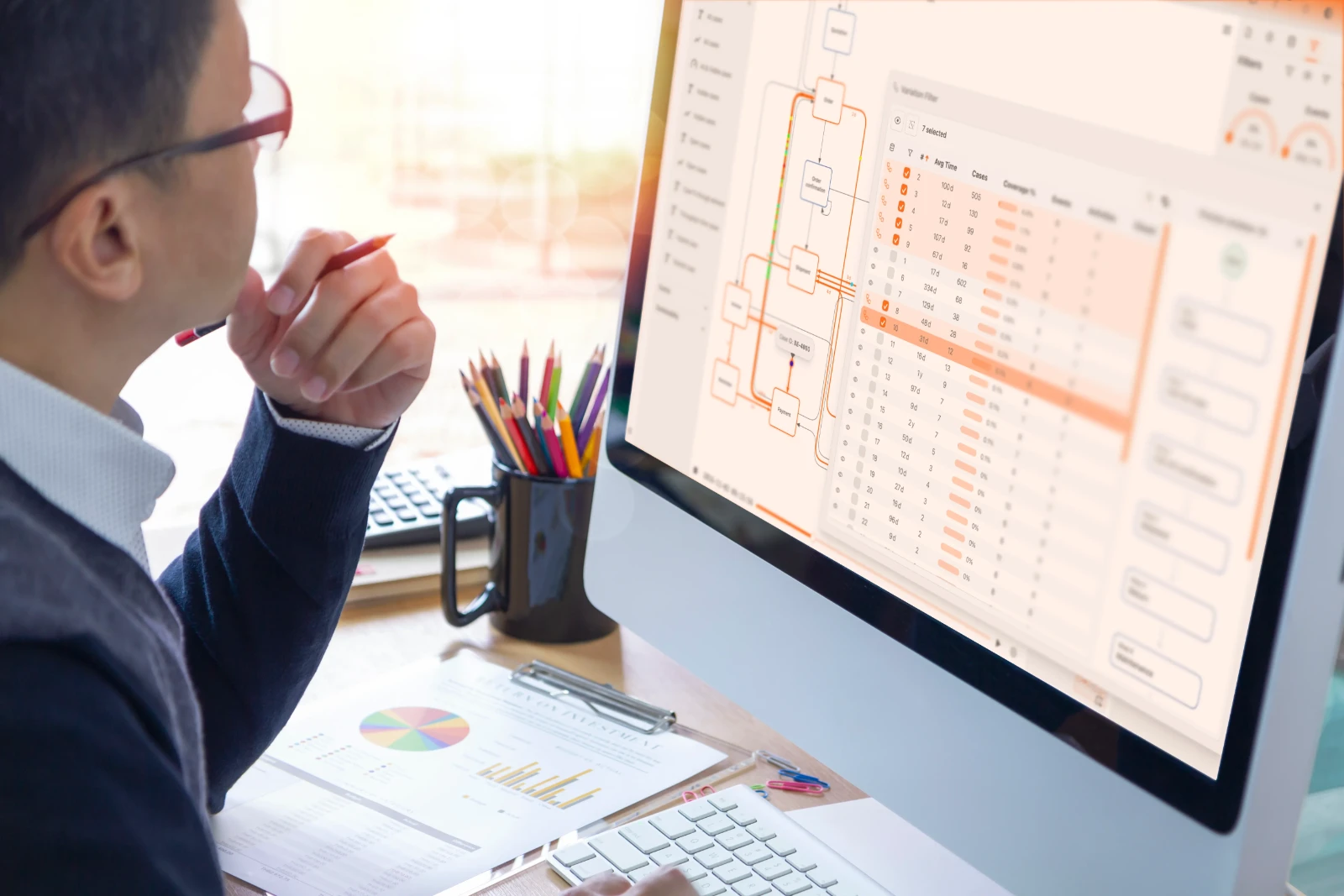
ProcessMind maps your real-world clinical data to reveal the actual patient journey, highlighting where bottlenecks stall care delivery. You will see exactly how patients move from triage to discharge with clear, data-driven visualizations.
  • Map complete MEDITECH clinical pathways
  • Pinpoint triage and discharge bottlenecks
  • Reduce patient wait times systematically
  • Optimize resource usage across departments
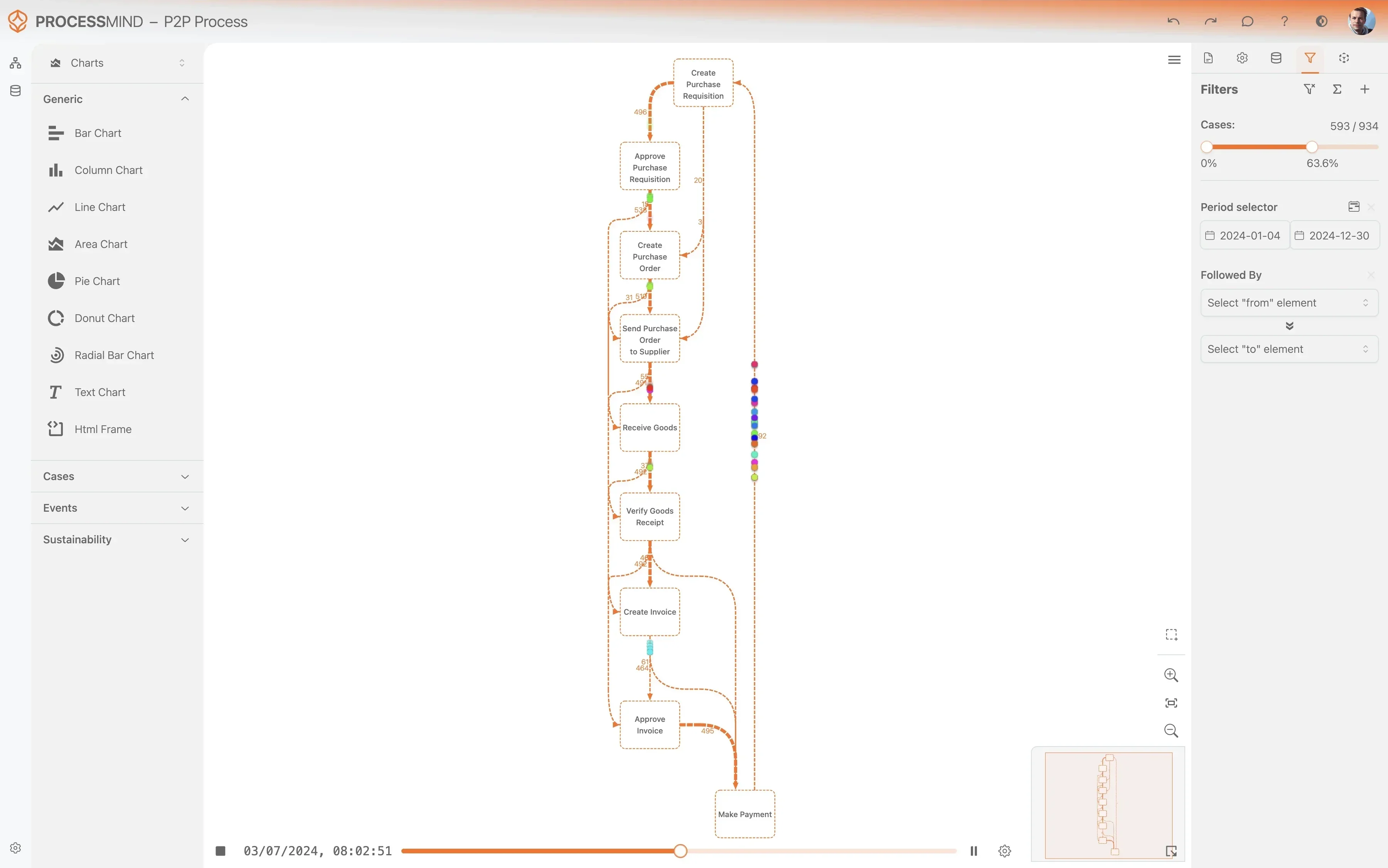
Discover your actual process flow
Identify bottlenecks and delays
Analyze process variants
Design your optimized process

PROVEN OUTCOMES

Enhancing the Patient Experience

By analyzing patient episodes within MEDITECH systems, organizations identify critical bottlenecks and streamline care delivery to improve clinical performance. These benchmarks reflect the typical efficiency gains achieved through targeted process mining initiatives.

~ 0 days
Reduced Length of Stay

Efficiency in end to end episodes

Optimizing discharge planning and internal transfers reduces the total time patients spend in the facility, which frees up critical bed capacity for new arrivals.

+ 0 %
Improved Protocol Adherence

Standardized clinical pathways

Process mining identifies deviations from gold standard protocols, ensuring patients receive consistent care based on their specific primary diagnosis.

0 % faster
Faster Diagnostic Results

Lab and imaging turnaround

Accelerating the time between test orders and performance allows clinicians to make informed decisions and start treatments sooner, improving patient outcomes.

0 % reduction
Lower Readmission Rates

Quality of discharge planning

Analyzing patient journeys helps identify root causes of early readmissions, leading to more robust follow up care and discharge protocols.

0 % reduction
Accelerated Triage Speed

Initial assessment throughput

Reducing the gap between registration and initial assessment improves patient safety and optimizes emergency department resource allocation during peak times.

0 %
Lower Operational Costs

Resource utilization efficiency

Streamlining internal transfers and discharge lead times maximizes the use of existing facilities and reduces the overall cost per patient episode.

Individual results vary based on clinical process complexity and data quality. These figures represent typical improvements observed across healthcare implementations.

FAQs

Frequently asked questions

Process mining utilizes the timestamped event logs already stored within your MEDITECH system to create a visual map of the actual patient flow. By using the Patient Episode as a unique identifier, the software reconstructs every step from admission to discharge, highlighting where the real process deviates from the intended clinical pathway.

To perform an effective analysis, you need a dataset containing three core components: a unique case ID like the Patient Episode, an activity name for each event, and a precise timestamp. Most hospitals extract this information from the MEDITECH audit trails or transaction logs where clinical and administrative actions are recorded.

Yes, process mining specifically targets bottlenecks in the triage and diagnostic phases by measuring the exact duration between every milestone. By visualizing these delays, administrators can identify whether lags are caused by specialist consultation wait times or resource shortages in specific departments, allowing for data driven staffing adjustments.

Initial findings are typically available within four to six weeks once the data extraction process from MEDITECH is finalized. The first few weeks focus on data mapping to ensure the Patient Episode sequences are accurately captured, after which the software can provide ongoing monitoring of clinical efficiency.

While standard MEDITECH reports provide static metrics like average length of stay, process mining visualizes the actual movement and loops between hospital events. It reveals the hidden paths, rework, and deviations that traditional business intelligence tools often miss, allowing you to see the root causes of inefficiency.

Data security is maintained by anonymizing the Patient Episode identifiers before the data is analyzed by the mining software. This process ensures that the focus remains on operational flow and timing while fully protecting individual patient identities according to regulatory standards.

Process mining compares the actual patient journey against your hospital’s established protocols to find any variations in care. By highlighting where clinical teams skip steps or introduce unplanned transfers, the system provides a clear picture of how well the organization is standardizing treatment plans.

The main requirement is the ability to query the underlying MEDITECH database or export audit logs into structured files like CSV or Parquet. Most organizations utilize an existing data warehouse or an ETL process to gather the required event logs before feeding them into the process mining platform.

Optimize Your Patient Journey and Reduce Delays Now

Reduce cycle times by 30 percent and improve hospital efficiency

Start Your Free Trial

No credit card required. Start in minutes.