Improve Your Order to Cash - Billing & Invoicing

Your 6-step guide to optimizing Billing & Invoicing in Dynamics 365.
Improve Your Order to Cash - Billing & Invoicing

Optimize Billing & Invoicing in Microsoft Dynamics 365

Invoice processing often faces delays and reconciliation issues, directly impacting your cash flow. Our platform helps you easily uncover hidden bottlenecks and inefficiencies within your billing and invoicing cycle. Discover how to streamline operations, reduce Days Sales Outstanding, and achieve greater financial clarity.

Download our pre-configured data template and address common challenges to reach your efficiency goals. Follow our six-step improvement plan and consult the Data Template Guide to transform your operations.

Show detailed description

Why Optimize Your Order to Cash - Billing & Invoicing Process?

The Order to Cash - Billing & Invoicing process is a cornerstone of your organization's financial health. It directly impacts cash flow, profitability, and customer satisfaction. An inefficient billing process, especially within a complex system like Microsoft Dynamics 365, can lead to significant challenges: delayed payments, increased Days Sales Outstanding (DSO), reconciliation errors, and frustrated customers. These issues not only tie up working capital but also consume valuable resources in manual follow-ups and dispute resolution. Optimizing this critical process is not just about reducing costs; it is about accelerating revenue recognition, improving financial predictability, and enhancing your overall operational efficiency. Understanding the true flow of invoices from creation to final payment is essential to identify and eliminate the hidden inefficiencies that plague many businesses.

How Process Mining Enhances Billing & Invoicing Analysis

Process mining offers an unparalleled advantage in improving your Order to Cash - Billing & Invoicing cycle within Microsoft Dynamics 365. Instead of relying on assumptions or anecdotal evidence, process mining extracts event data directly from your Microsoft Dynamics 365 Finance GL module. It reconstructs the actual journey of every invoice, providing a transparent, data-driven visualization of your process. This allows you to see precisely where bottlenecks occur, identify rework loops, and uncover deviations from your intended process flow. For instance, you can pinpoint why invoices are delayed between "Invoice Approved" and "Invoice Sent to Customer," or discover the root causes behind extended payment reconciliation times after "Customer Payment Received." By leveraging process mining, you gain objective insights into the 'as-is' process, enabling you to make informed decisions for process optimization and to answer crucial questions like "how to improve Order to Cash - Billing & Invoicing cycle time."

Key Improvement Areas Identified Through Process Mining

Applying process mining to your billing and invoicing data in Microsoft Dynamics 365 can illuminate several key areas for improvement:

  • Invoice Generation & Approval Efficiency: Discover delays between sales order fulfillment and invoice generation, or pinpoint bottlenecks in the invoice approval workflow that extend overall cycle time.
  • Timeliness of Invoice Delivery: Analyze the time taken for invoices to reach customers after approval, identifying any gaps in your delivery methods or communication channels.
  • Payment Behavior & Compliance: Understand customer payment patterns, the effectiveness of payment reminders, and identify invoices that consistently exceed payment terms. This helps you manage credit risk and ensure compliance.
  • Cash Application & Reconciliation: Streamline the often-complex steps from customer payment receipt to cash application and final reconciliation, reducing manual effort and error rates.
  • Rework and Exceptions: Automatically detect instances where invoices are corrected, re-approved, or re-sent, quantifying the cost and impact of these exceptions on your process efficiency.

Expected Outcomes from Billing Process Optimization

By strategically applying process mining to your Order to Cash - Billing & Invoicing process in Microsoft Dynamics 365, you can expect significant, measurable benefits:

  • Reduced Days Sales Outstanding (DSO): By accelerating invoice delivery, streamlining approvals, and improving payment collection, you can significantly shorten the time it takes to convert sales into cash.
  • Improved Cash Flow and Working Capital: Faster cash conversion directly boosts your working capital, providing greater financial flexibility and stability.
  • Enhanced Billing Accuracy: Identifying and eliminating root causes of errors leads to more accurate invoices, fewer disputes, and reduced administrative overhead.
  • Increased Operational Efficiency: Automating manual tasks and removing unnecessary steps frees up your finance team to focus on strategic activities rather than reactive problem-solving.
  • Better Compliance and Audit Readiness: A well-defined, transparent process ensures adherence to internal policies and external regulations, simplifying audits.

Getting Started with Optimizing Your Billing Process

Process mining empowers you to move beyond guesswork and achieve concrete improvements in your Order to Cash - Billing & Invoicing process. By visualizing and analyzing the actual flow of events from your Microsoft Dynamics 365 data, you gain the clarity needed to identify where process optimization will have the greatest impact. Start your journey towards a more efficient, accurate, and financially robust billing operation today by understanding the true dynamics of your invoice lifecycle.

Order to Cash - Billing & Invoicing invoice management accounts receivable cash flow optimization payment processing DSO reduction finance department billing accuracy financial compliance invoice reconciliation

Common Problems & Challenges

Identify which challenges are impacting you

Delays between sales order fulfillment and invoice generation lead to delayed revenue recognition and extended Days Sales Outstanding (DSO). This creates cash flow strain and affects financial reporting accuracy, particularly when specific contractual billing milestones are missed.ProcessMind analyzes event logs in Microsoft Dynamics 365 to pinpoint where and why invoice generation is lagging after order fulfillment. It reveals bottlenecks, resource constraints, or system issues within the Order to Cash - Billing & Invoicing process, enabling targeted improvements to accelerate billing.

Manual or complex invoice approval workflows introduce significant delays, impacting the timely dispatch of invoices and subsequently, cash collection. Inconsistent approval times across departments or users create unpredictability in the Order to Cash - Billing & Invoicing cycle.ProcessMind maps the actual invoice approval paths in Microsoft Dynamics 365, identifying specific approval steps or individuals causing bottlenecks. It uncovers deviations from standard procedures, highlighting opportunities to streamline workflows and enforce consistent approval timelines for improved efficiency.

Delays or failures in delivering invoices to customers, whether electronic or physical, directly lead to late payments and increased Days Sales Outstanding (DSO). This often stems from incorrect customer contact information or inefficient delivery methods within the Order to Cash - Billing & Invoicing process.ProcessMind analyzes event data to track the "Invoice Sent to Customer" activity and subsequent payment events, correlating delays with specific delivery methods or customer segments. It helps optimize invoice distribution channels and communication strategies within Microsoft Dynamics 365, reducing time to payment.

Extended Days Sales Outstanding (DSO) indicates customers are paying invoices significantly past their due dates, severely impacting cash flow and working capital. This often points to issues within the Order to Cash - Billing & Invoicing collection strategy or underlying billing accuracy problems.ProcessMind visualizes the lifecycle of each invoice from generation to payment reconciliation within Microsoft Dynamics 365, highlighting invoices that consistently exceed payment terms. It identifies patterns, such as specific customer segments or invoice types, contributing most to high DSO, enabling targeted collection efforts and policy adjustments.

The necessity for frequent manual adjustments, corrections, or rework post-invoice generation signifies underlying errors or inefficiencies in the billing process. This consumes valuable resources, increases operational costs, and introduces further opportunities for mistakes in the Order to Cash - Billing & Invoicing cycle.ProcessMind uncovers where and why manual adjustments occur in Microsoft Dynamics 365 by tracking activities like "Invoice Approved" or "Payment Posted to Ledger" and identifying subsequent modifications. It reveals root causes, whether data entry errors, system misconfigurations, or process deviations, allowing for systematic correction and automation.

Difficulty in tracking and understanding the exact time it takes to apply customer payments to open invoices, and then reconcile them in the ledger, leads to inaccurate cash positions and potential customer dissatisfaction. This opacity hinders effective cash flow management within the Order to Cash - Billing & Invoicing process.ProcessMind maps the flow from "Customer Payment Received" to "Payment Posted to Ledger" and "Cash Applied/Reconciled" in Microsoft Dynamics 365. It reveals delays, bottlenecks, or unnecessary steps in the payment application process, providing insights to streamline reconciliation activities and improve cash forecasting accuracy.

Failure to consistently enforce payment terms across customers or regions results in lost revenue from late fees and an inability to accurately predict cash inflows. This inconsistency undermines financial discipline and complicates cash flow forecasting for the Order to Cash - Billing & Invoicing department.ProcessMind analyzes "Payment Due Date Reached" and "Customer Payment Received" events for each invoice in Microsoft Dynamics 365, comparing actual payment dates against defined payment terms. It identifies which customers, terms, or regions are most likely to deviate, allowing for targeted policy enforcement or customer engagement.

Ineffective or untimely payment reminder processes lead to an increase in overdue invoices and extended collection cycles. Conversely, sending reminders too frequently or incorrectly can annoy customers, impacting relationships within the Order to Cash - Billing & Invoicing cycle.ProcessMind examines the timing and sequence of "Payment Reminder Issued" activities in relation to "Payment Due Date Reached" and "Customer Payment Received" in Microsoft Dynamics 365. It identifies optimal reminder strategies, reveals missed reminders, or excessive notifications, improving dunning effectiveness and customer experience.

Mismatches between customer payments and open invoices, or delays in reconciling received cash with ledger entries, create reconciliation backlogs and require significant manual effort. This impacts the integrity of financial records and the efficiency of the Order to Cash - Billing & Invoicing process.ProcessMind traces the complete path from "Customer Payment Received" to "Cash Applied/Reconciled" and "Invoice Closed" in Microsoft Dynamics 365. It highlights instances of incomplete application, partial payments requiring multiple entries, or discrepancies, revealing root causes and streamlining reconciliation workflows.

Departures from the established, optimized Order to Cash - Billing & Invoicing process flow, often occurring due to ad-hoc manual interventions or workarounds, introduce inefficiencies and compliance risks. These unplanned variants are hard to detect and measure, leading to inconsistent performance.ProcessMind automatically discovers all actual process paths taken by invoices in Microsoft Dynamics 365, from "Invoice Generated" to "Invoice Closed." It clearly visualizes common and variant paths, quantifying their frequency and impact, allowing organizations to standardize the Order to Cash - Billing & Invoicing process and reduce deviations.

Specific users or departments consistently become bottlenecks in the Order to Cash - Billing & Invoicing process, leading to delays in key activities like invoice approvals, sending, or payment reconciliation. This uneven workload distribution reduces overall process throughput and increases employee stress.ProcessMind analyzes activity durations and user assignments, using attributes like "User Responsible" and "Billing Department," within Microsoft Dynamics 365 event logs. It identifies where work piles up and who is consistently overloaded, providing data-driven insights to optimize resource allocation and improve the Order to Cash - Billing & Invoicing process flow.

Typical Goals

Define what success looks like

Accelerating the time from sales order fulfillment to invoice generation directly impacts cash flow and customer satisfaction. Reducing delays ensures that customers receive invoices promptly, minimizing disputes and speeding up payment cycles. This goal aims to cut down on the duration it takes for an invoice to be created after all fulfillment conditions are met.ProcessMind visualizes the complete Order to Cash - Billing & Invoicing process in Microsoft Dynamics 365, highlighting the exact time taken between "Sales Order Fulfilled" and "Invoice Generated". By identifying bottlenecks and variances in this critical handoff, you can pinpoint root causes of delays, such as specific user actions or system configurations, and implement targeted improvements to achieve faster invoice creation.

Inconsistent and slow invoice approvals can significantly delay the entire Order to Cash - Billing & Invoicing cycle, affecting Days Sales Outstanding (DSO). Achieving a streamlined approval process ensures invoices move through necessary checks efficiently, without unnecessary hold-ups, and promotes quicker delivery to customers.ProcessMind maps all invoice approval paths within Microsoft Dynamics 365, revealing actual durations and identifying specific approval steps or individuals causing delays. By analyzing cycle times and rework loops for "Invoice Approved" activities, organizations can redesign approval workflows, implement automation where appropriate, and reduce approval times by up to 30%, directly impacting cash conversion.

Ensuring invoices reach customers promptly and through the most effective channels is crucial for timely payments. Inefficient delivery methods can lead to payment delays, customer queries, and increased administrative overhead. This goal aims to optimize how invoices are sent and received, enhancing the overall customer experience.ProcessMind analyzes the journey from "Invoice Generated" to "Invoice Sent to Customer," identifying common delivery methods and their associated delays or failure rates within the Order to Cash - Billing & Invoicing process. It can highlight inefficient channels or steps, enabling you to optimize delivery mechanisms, like automating email distribution or integrating with e-invoicing platforms, leading to faster customer receipt and fewer follow-ups.

High Days Sales Outstanding (DSO) indicates that a company takes longer to collect its receivables, negatively impacting cash flow and working capital. This goal focuses on reducing the average number of days it takes for customers to pay after an invoice is issued, thereby improving financial liquidity and stability.ProcessMind provides an end-to-end view of the payment collection journey from "Invoice Sent to Customer" to "Customer Payment Received" in Microsoft Dynamics 365. By analyzing actual payment behaviors, identifying common delay points, and understanding the impact of various payment terms, organizations can implement targeted strategies, such as optimizing dunning processes or offering early payment discounts, to significantly reduce DSO.

Frequent manual adjustments and rework in billing processes are costly, error-prone, and reduce efficiency. This goal aims to identify and eliminate the root causes of these manual interventions, leading to more accurate invoices, reduced operational costs, and faster processing times within the Order to Cash - Billing & Invoicing cycle.ProcessMind visualizes all process variants, highlighting loops and activities that indicate manual rework, such as repeated "Invoice Approved" or "Invoice Adjusted" events in Microsoft Dynamics 365. By analyzing event logs, you can pinpoint where and why rework occurs, uncover underlying data quality issues or system misconfigurations, and automate repetitive tasks to achieve a significant reduction in manual effort.

Accurate and timely cash application is vital for correct financial reporting, reconciling customer accounts, and reducing discrepancies that can lead to customer dissatisfaction. This goal focuses on minimizing errors in applying received payments to the correct invoices and general ledger accounts.ProcessMind tracks the flow from "Customer Payment Received" to "Payment Posted to Ledger" and "Cash Applied/Reconciled" activities within Microsoft Dynamics 365. It reveals patterns of discrepancies, common reconciliation issues, and the impact of manual interventions. This analysis allows for process standardization, automation of matching rules, and improved training to achieve higher accuracy in cash application.

Inconsistent adherence to agreed payment terms can lead to unpredictable cash flow, increased collection efforts, and strained customer relationships. This goal aims to ensure that payment collection efforts, including reminders and dunning, are consistently aligned with the specified payment terms for each invoice.ProcessMind compares the "Due Date" attribute with the "Customer Payment Received" event for each Invoice Number in Microsoft Dynamics 365, identifying where payments deviate from terms. It helps analyze the impact of different payment terms on actual payment behavior and discover process steps, such as when "Payment Reminder Issued" occurs, to ensure consistent and effective follow-up actions.

An ineffective dunning and reminder process can lead to prolonged payment delays and increased Days Sales Outstanding (DSO). This goal focuses on refining the timing, frequency, and content of payment reminders to maximize their effectiveness in encouraging timely payments without alienating customers.ProcessMind maps the sequence of events related to "Payment Due Date Reached" and "Payment Reminder Issued" activities for each Invoice Number in Microsoft Dynamics 365. By analyzing the impact of different reminder strategies on payment speed, you can identify optimal dunning sequences, automate timely reminders, and reduce manual effort in collections, leading to faster payments.

Unplanned or non-standard process variants within the Order to Cash - Billing & Invoicing cycle introduce inefficiencies, compliance risks, and make it difficult to scale operations. This goal aims to identify these deviations and guide the process back to its most efficient and compliant path.ProcessMind automatically discovers all actual process paths taken by invoices in Microsoft Dynamics 365, contrasting them with the ideal, standard flow. By pinpointing where and why deviations like "manual adjustments" or unexpected loops occur, organizations can enforce best practices, streamline workflows, and ensure all invoices follow the most efficient and compliant journey, improving overall process stability.

Resource bottlenecks in the billing department can lead to delays across the entire Order to Cash - Billing & Invoicing process, impacting productivity and employee morale. This goal aims to efficiently allocate resources, identify overloaded areas, and streamline workflows to ensure smooth operations.ProcessMind analyzes activity durations and resource allocation, identifying where specific users or departments, as indicated by "User Responsible" attributes, are overwhelmed or contributing to bottlenecks. By visualizing resource utilization patterns in Microsoft Dynamics 365, you can rebalance workloads, automate routine tasks, and implement process improvements that free up resources for higher-value activities, leading to improved throughput.

The 6-Step Improvement Path for Order to Cash - Billing & Invoicing

1

Download the Template

What to do

Get the specific Excel template designed for Order to Cash - Billing & Invoicing data from Microsoft Dynamics 365. This template provides the correct structure for your process data.

Why it matters

Using a predefined template ensures data consistency and accuracy, simplifying the subsequent analysis and accelerating your journey to insights.

Expected outcome

A ready-to-use data extraction template tailored for your Order to Cash - Billing & Invoicing process in D365.

WHAT YOU WILL GET

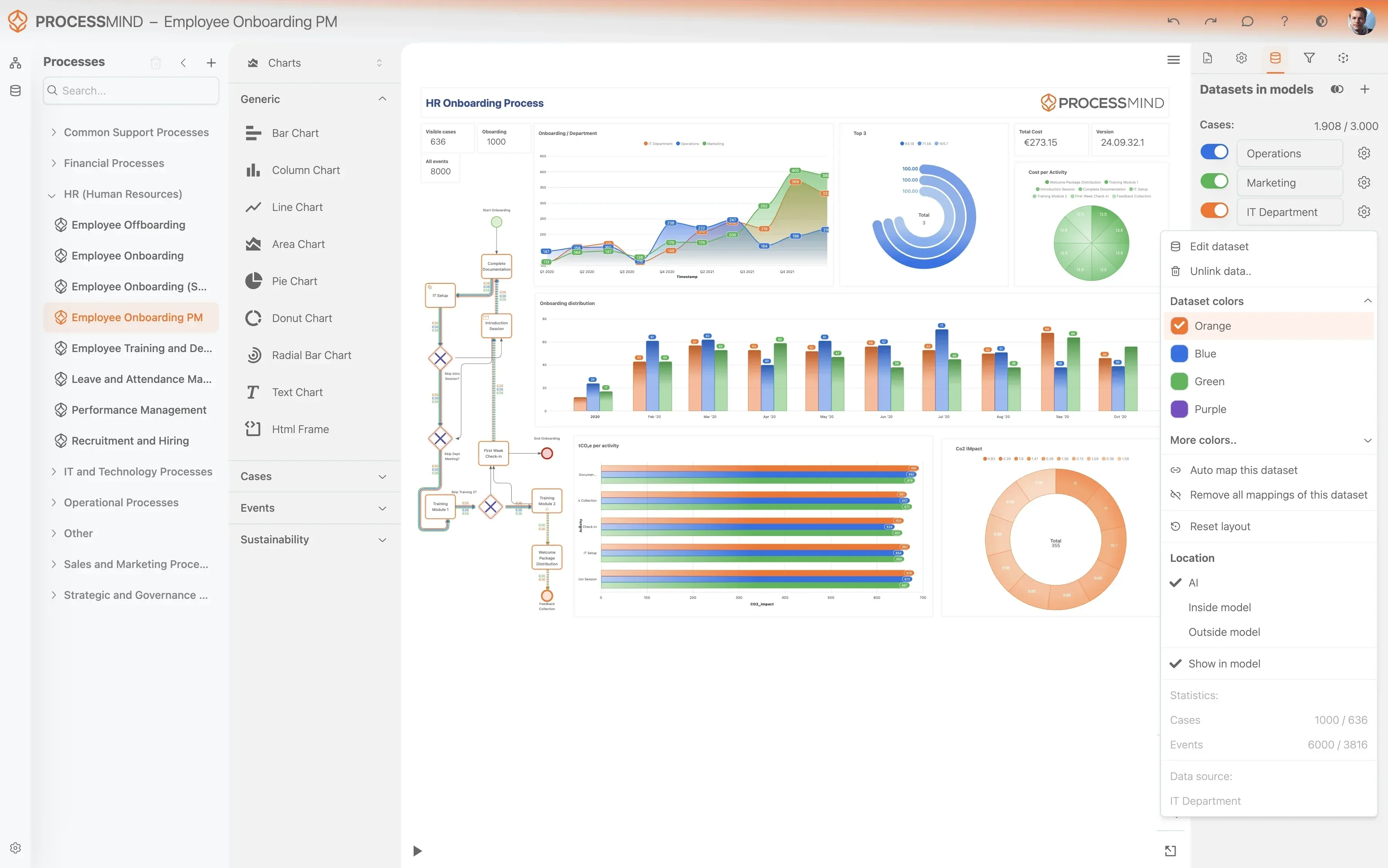
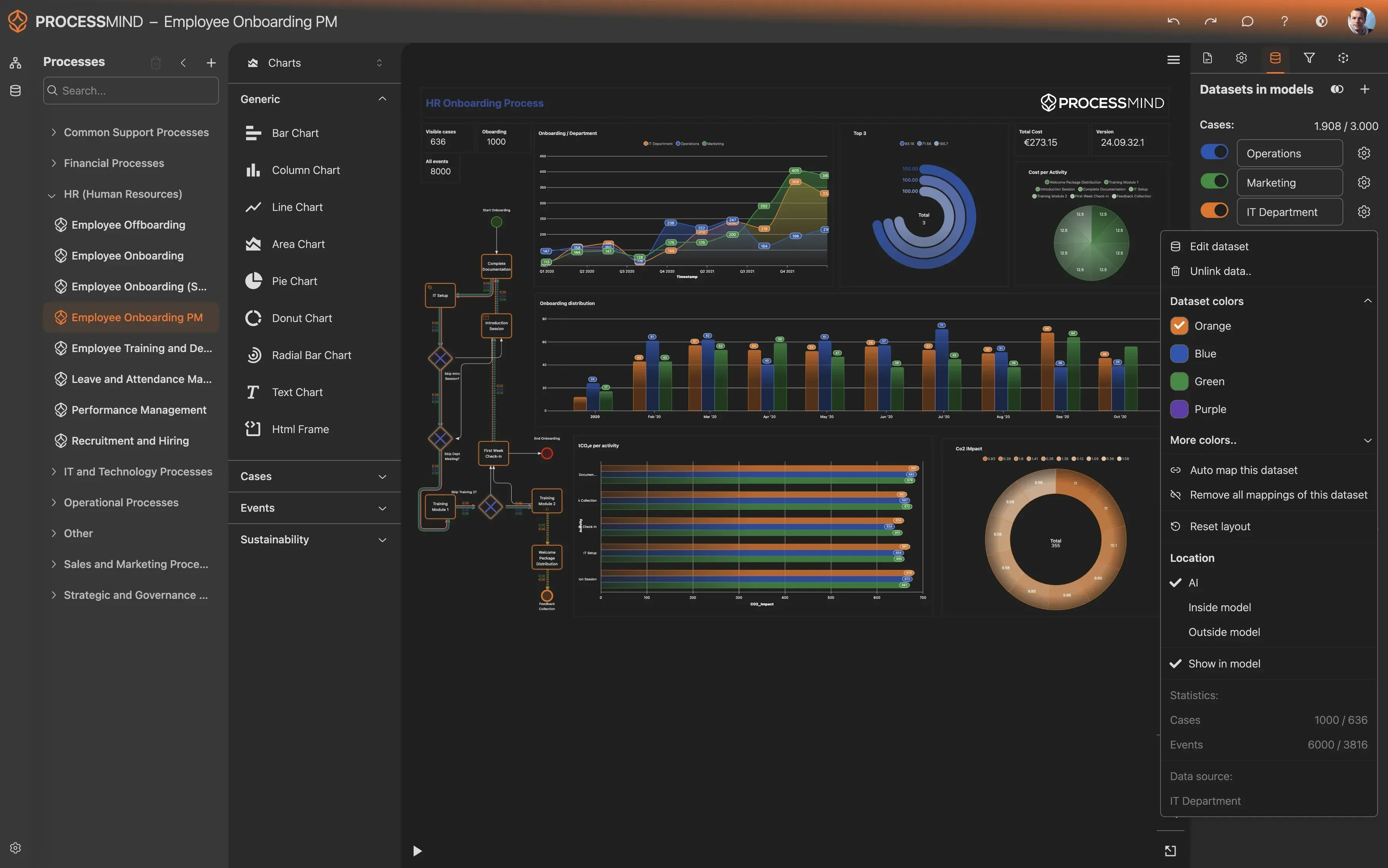
Uncover Hidden Billing Bottlenecks in Dynamics 365

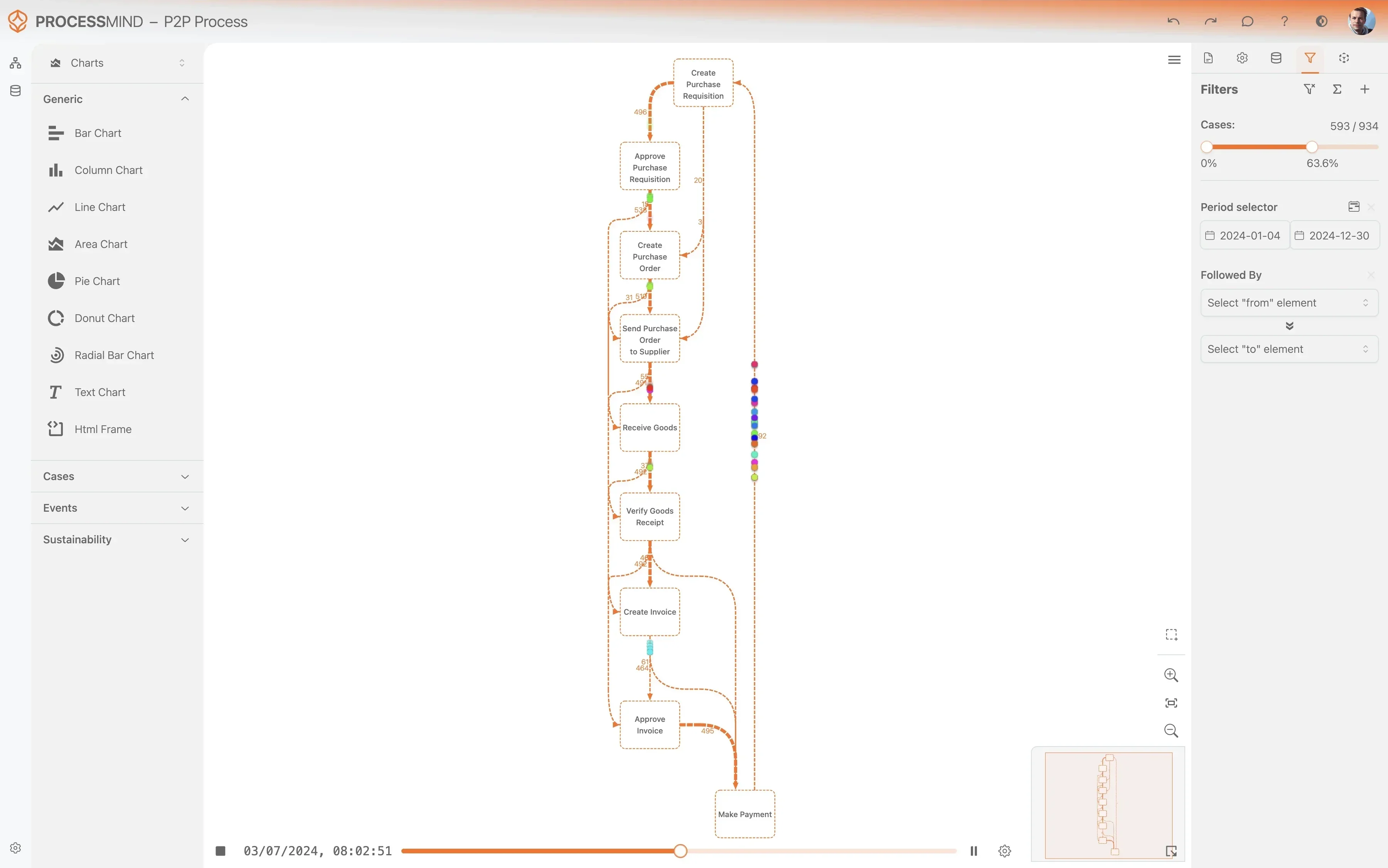
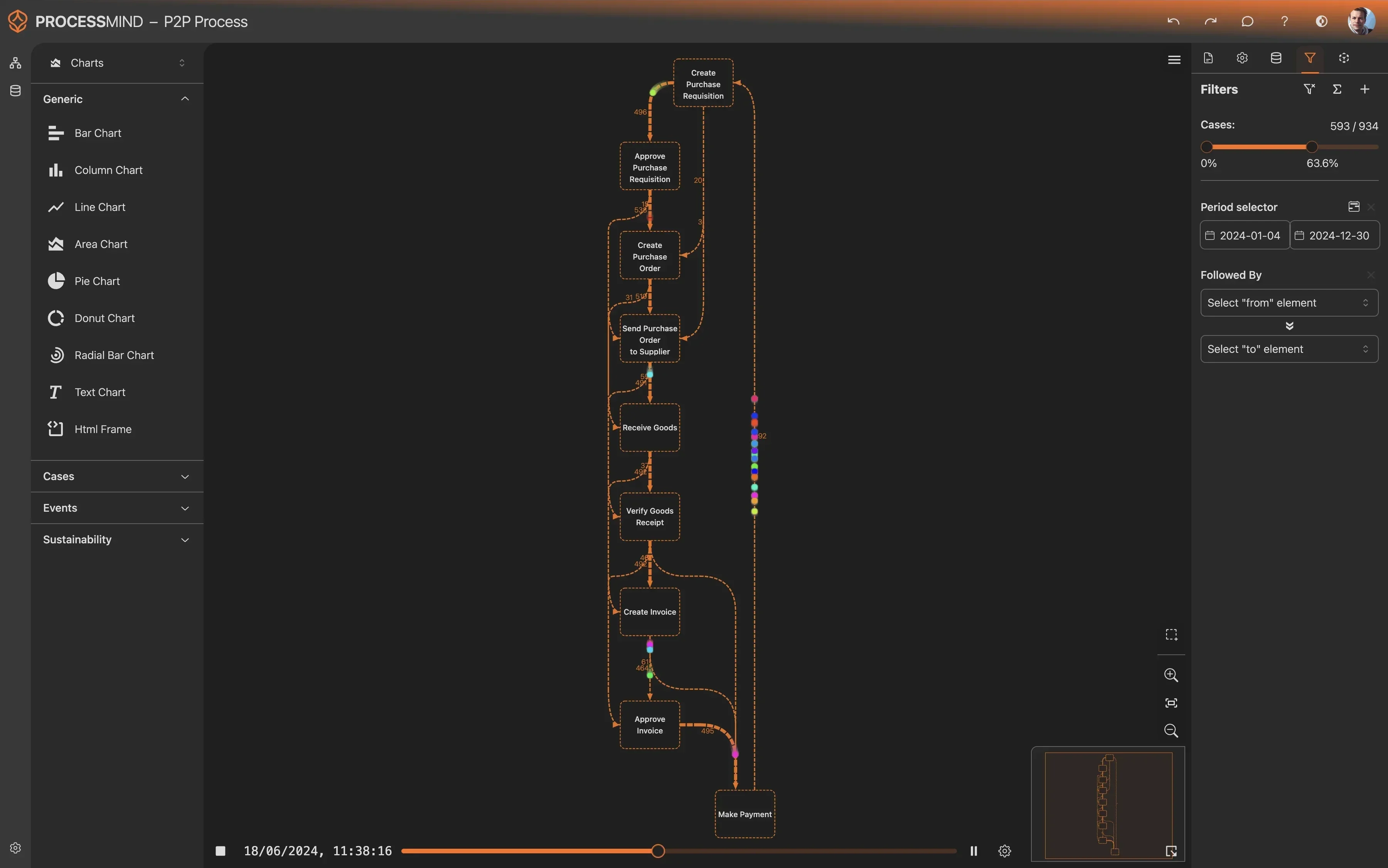
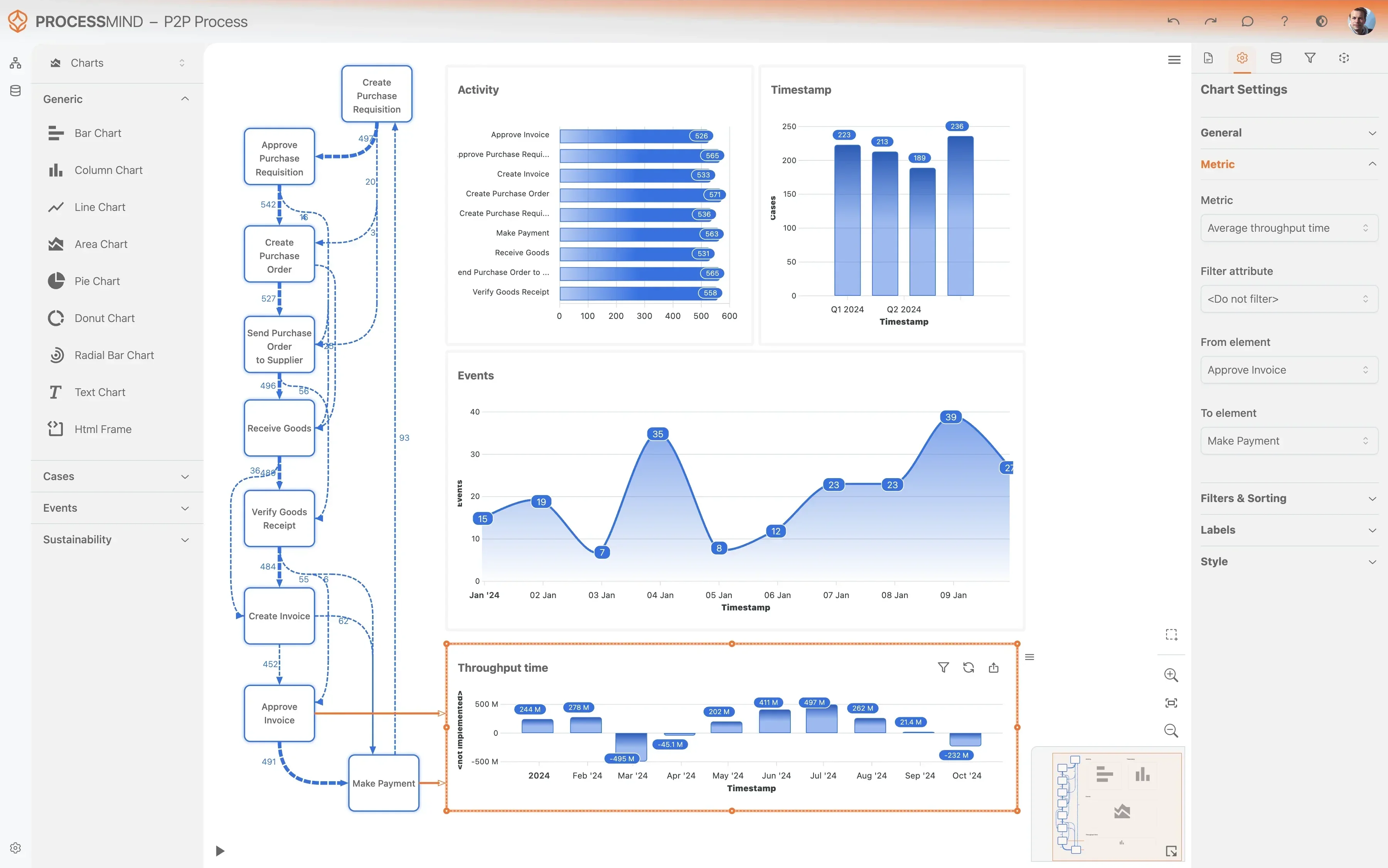
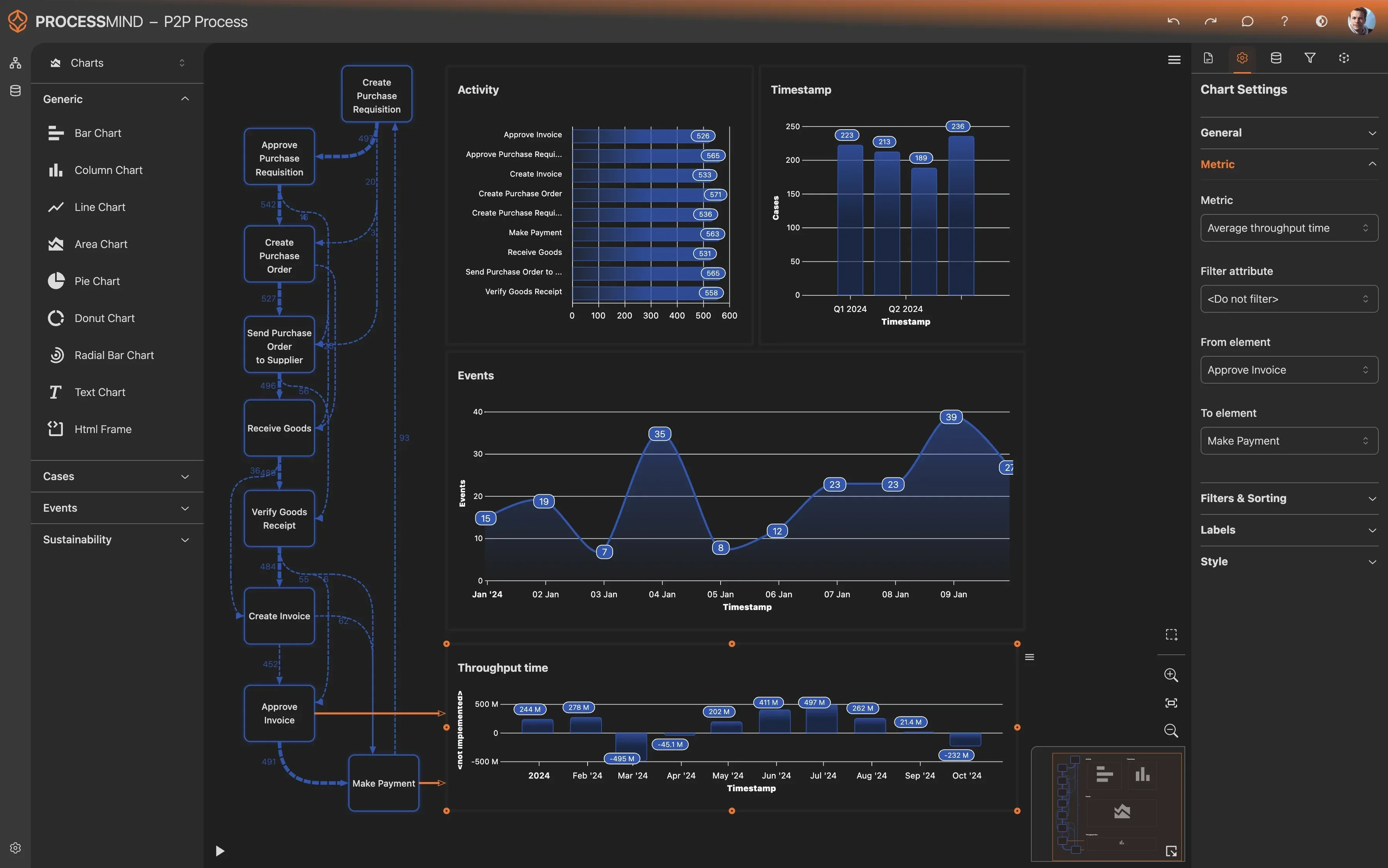
ProcessMind reveals the true flow of your billing and invoicing process in Microsoft Dynamics 365. Visualize every step, discover hidden delays, and pinpoint reconciliation issues to optimize cash flow and reduce DSO.
  • Visualize your end-to-end billing process
  • Identify invoice processing delays
  • Pinpoint reconciliation issues quickly
  • Reduce Days Sales Outstanding (DSO)
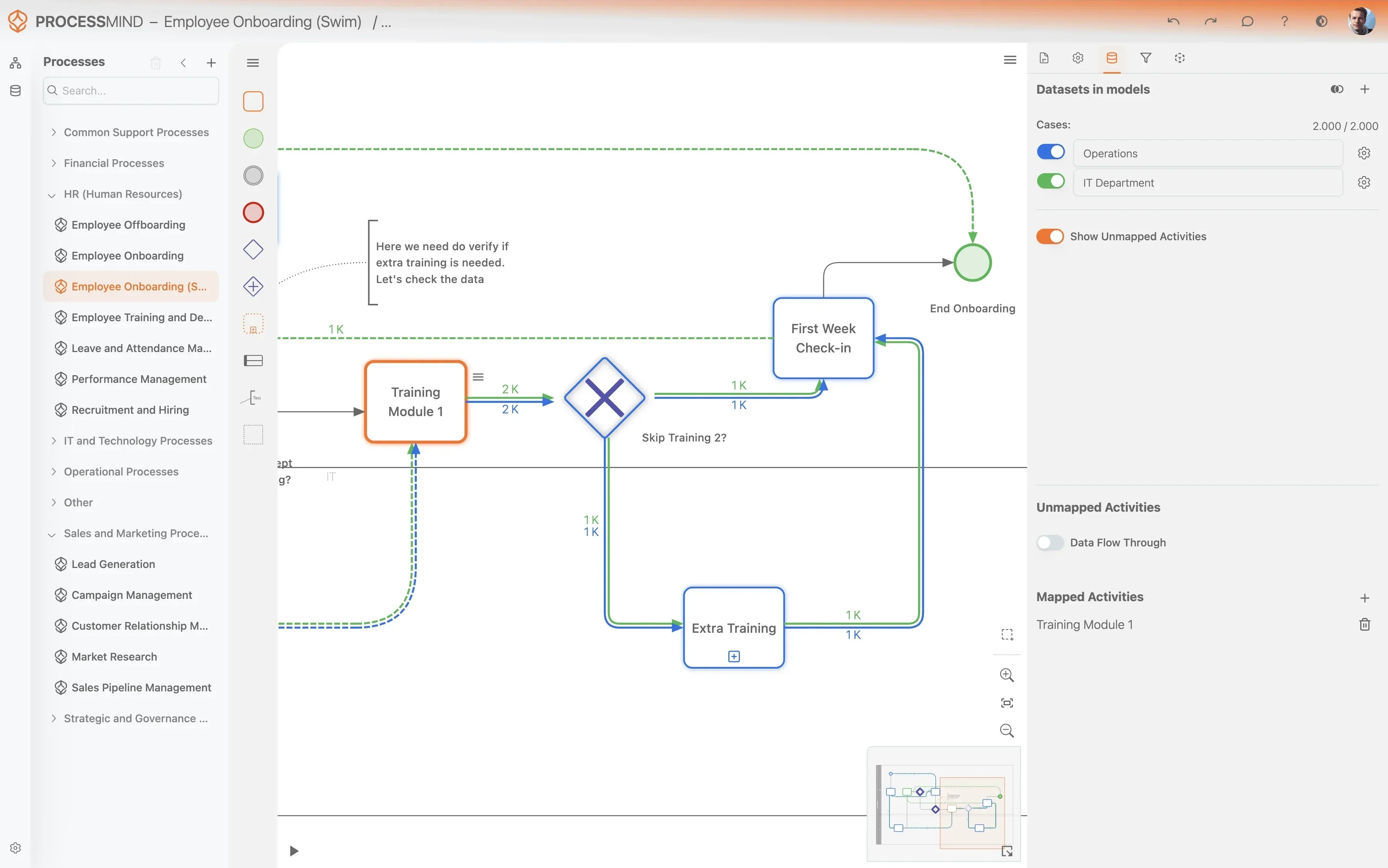
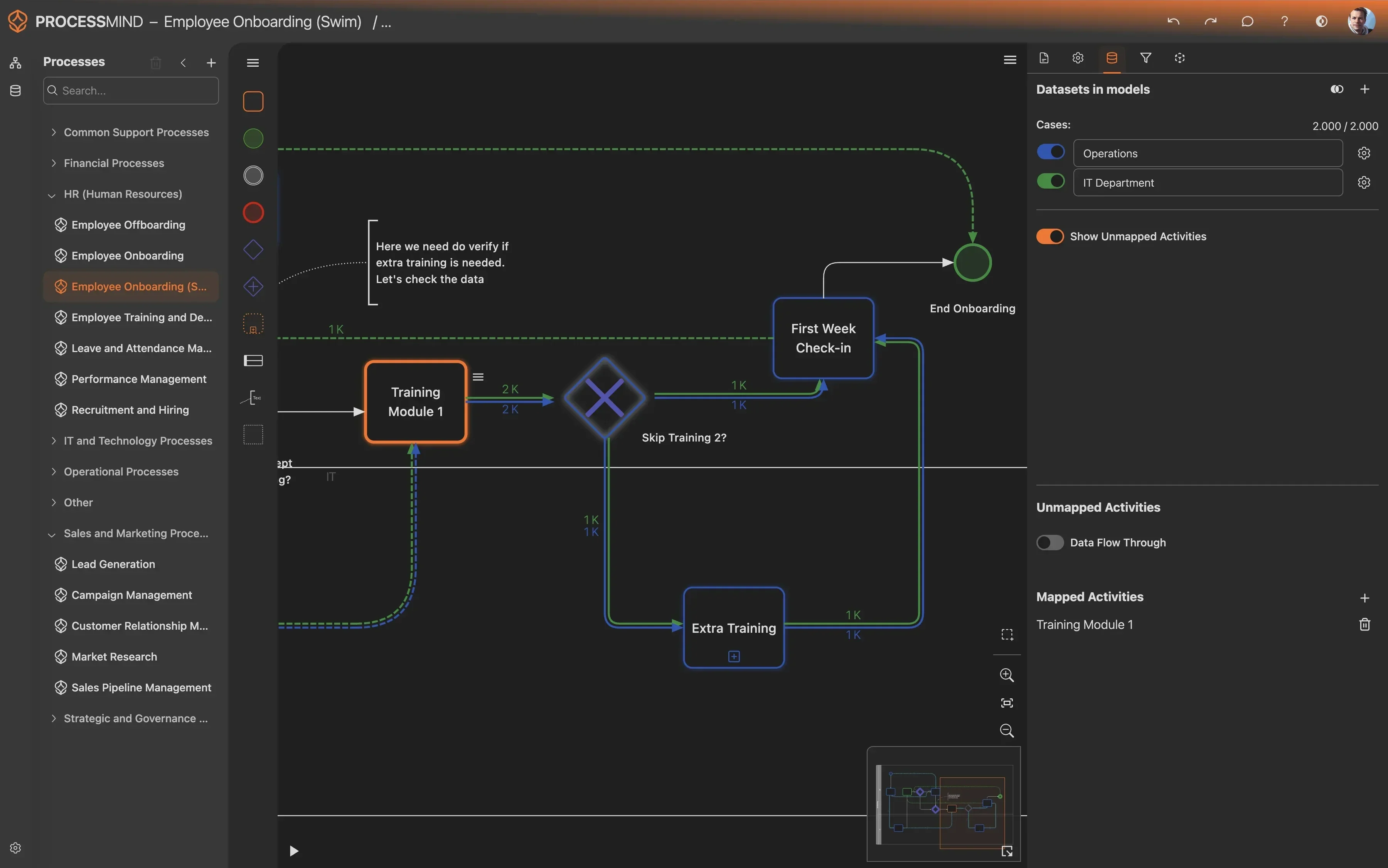
Discover your actual process flow
Identify bottlenecks and delays
Analyze process variants
Design your optimized process

TYPICAL OUTCOMES

What Organizations Achieve in Order to Cash Billing & Invoicing

These outcomes represent common improvements observed when optimizing Order to Cash processes, specifically focusing on Billing & Invoicing within Microsoft Dynamics 365. By analyzing Invoice Number as a case identifier, organizations gain actionable insights into process efficiency.

0 %
Faster Invoice Generation

Reduce average time to invoice

Accelerate the creation of invoices after sales order fulfillment, leading to quicker billing cycles and improved operational speed.

0 days
Streamlined Invoice Approval

Expedite approval workflows

Shorten the average time for invoice approvals, removing bottlenecks and ensuring invoices are ready for customer delivery sooner.

0 days
Lower Days Sales Outstanding

Improve cash collection efficiency

Reduce the average number of days to collect payment from customers, significantly improving cash flow and working capital management.

0 %
Reduced Billing Rework

Minimize manual adjustments

Decrease the percentage of invoices requiring modifications or re-submissions, leading to higher first-pass yield and reduced operational costs.

0 %
Enhanced Process Conformance

Ensure adherence to standards

Increase the percentage of invoices strictly following the defined process flow, reducing deviations and improving audit readiness and compliance.

Results vary based on process complexity and data quality. These figures represent typical improvements observed across implementations.

FAQs

Frequently asked questions

Process mining provides an x-ray view of your actual billing processes, identifying where delays occur, why manual adjustments are frequent, and how process variants impact efficiency. It helps uncover bottlenecks like slow invoice approvals and high rework, often hidden within standard reporting. This deep insight allows you to understand the true flow and pinpoint areas for improvement.

To analyze Order to Cash - Billing & Invoicing, you typically need event logs related to invoice creation, approval, sending, and payment application. Key data points include the Invoice Number as the case identifier, activity names, and timestamps for each event. User information and related order details can also enrich the analysis.

Data can be extracted from Dynamics 365 using standard reporting tools, direct database queries, or API integrations, depending on your system configuration and process mining solution. The goal is to collect event logs that capture every relevant step and its timestamp for each invoice. This extraction process is usually read-only and non-disruptive to live operations.

Initial insights can often be generated within a few weeks of successful data extraction and ingestion into the process mining tool. The time varies based on data quality, complexity, and resource availability for analysis. Significant, actionable discoveries typically emerge within the first month or two.

Common improvements include reduced invoice generation cycle time, fewer manual adjustments, and a decrease in Days Sales Outstanding, DSO. By optimizing processes like invoice approval and delivery, companies can enhance cash application accuracy and streamline resource utilization in billing departments. These lead to significant operational efficiencies and financial benefits.

No, process mining is generally non-disruptive. It operates by analyzing historical data extracted from your Dynamics 365 system, not by interacting with live transactions or processes. Data extraction methods are typically designed to minimize impact on system performance. The analysis is performed offline, ensuring business continuity.

Absolutely. Process mining visualizes all actual process variants, highlighting deviations from the intended standard. By seeing these non-compliant or inefficient paths, you can pinpoint exactly where standardization efforts are most needed. This provides data-driven evidence to refine and enforce optimal processes, reducing rework and improving adherence.

End Billing Delays: Optimize Order to Cash & Invoicing Today

Reduce billing cycle time by 30% and achieve financial clarity faster.

Start Your Free Trial

No credit card required. Free 14-day trial.