ProcessMind Configuration and Setup Guide
Set up ProcessMind: learn configuration, environments, billing, SSO, and more for business process management.
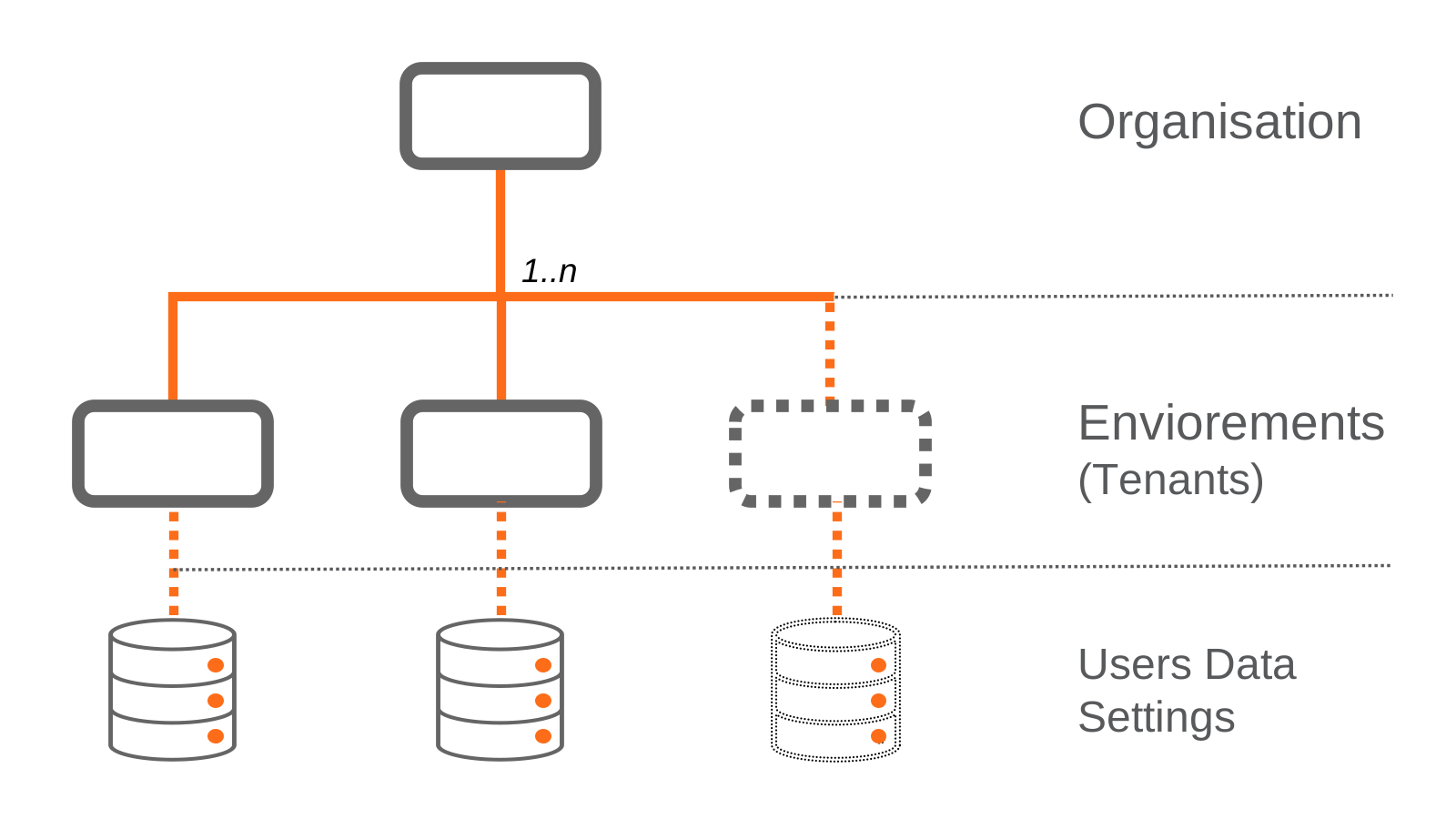
An organization can run multiple environments (technically, tenants), each with its own configurations, users, and data. These are covered in detail on the Environments (Tenants) page.
info
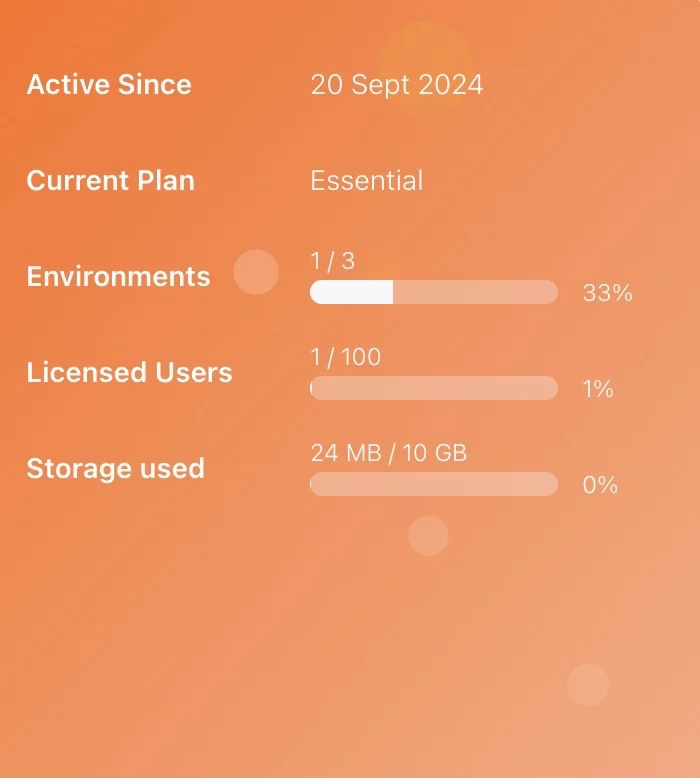
The organization settings and statistics are only visible to organization admins. These statistics provide details regarding your current plan.
The organization setup is the first step in configuring ProcessMind. The organization admin completes this process, which includes the following:
warning
Ensure at least one login option is enabled at the environment level to enable login.
The company profile gives ProcessMind’s AI context about your business — its name, website, description, industry, and size. Organization admins edit it under Settings → Organization → Company Profile, and environments can override it with their own details. See Company Profile for the full walkthrough.
The profile feeds AI features such as architecture and role generation, so a complete profile means less generic output. Each environment can override the organization profile with its own.
Organization admins manage people from Settings → Users (organization-wide) and Settings → Environment → Users (inside one environment).
To add a user:
For existing users you can:
Available user roles include:
info
All users are assigned to an environment. The organization admin can assign users to multiple environments. This is useful when you want to manage multiple environments, as organization admins will automatically be assigned to those environments.
The organization settings include the Allow us to collect usage data switch. Turning it off stops product usage data collection for your organization; it does not change which features you can use.
At the bottom of the organization settings, Schedule deletion starts the process of removing the whole organization. Confirm with Yes, Delete: deletion is scheduled with a 14-day recovery window, and a banner appears on the page. Use Cancel Deletion on that banner to stop it. When the window closes, the organization and all of its environments are permanently removed.
We use cookies to improve your experience, personalize content, and analyze traffic. By clicking "Accept All," you consent to our use of cookies.