


News
ProcessMind 2026.10: Faster Dashboards, Smarter Imports, Updated Pricing
The October release makes dashboards dramatically lighter, handles messy spreadsheets and folder-aware BPMN import, and updates pricing in the app.

ProcessMind has launched a process simulation engine to build digital twins of business processes. Use operational data to model how your process works, then test what-if scenarios before making changes.
Here, a digital twin is a digital model of a business process, not a 3D model or a twin of physical assets. ProcessMind uses process data to help you see how work flows and explore how proposed changes could affect performance.
A process digital twin lets you test scenarios against a model before changing the real process. To learn how the broader concept applies to organizations, read what a digital twin of an organization is.
The engine extracts parameters from uploaded event logs, including case arrival rates, activity durations, and resource requirements. Use these parameters to configure a process model and run scenario analyses.
ProcessMind uses discrete event simulation (DES), where the system state changes at specific events. This method suits business processes with activities that have defined start and end times, resources assigned at specific moments, and cases that follow distinct paths.
Process improvement has always involved guesswork: you make a change and hope it works. With digital twins, you can test ten scenarios in an afternoon and choose the one most likely to succeed.
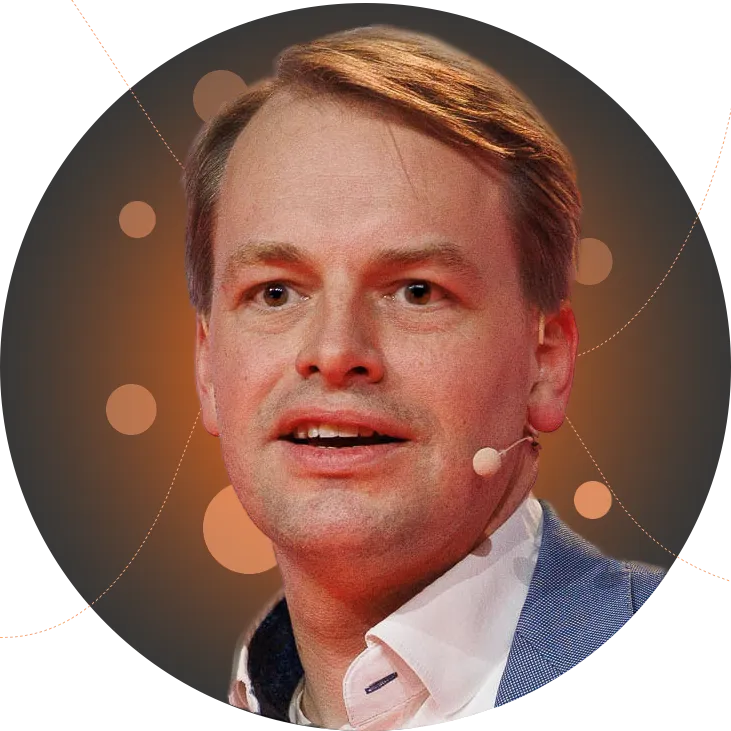
Christiaan Esmeijer, Founder of ProcessMind
Use the simulation engine to explore questions such as:
The simulation runs virtual process instances using timing distributions, resource capacities, and arrival patterns derived from the source data. It predicts cycle time, throughput, waiting time and queue length.
Adjust scenario variables and compare multiple scenarios side by side. The engine also supports resource capacity analysis and bottleneck identification across different volume scenarios.
The engine supports normal, exponential, uniform, triangular, and log-normal probability distributions. Configure activities with processing times, resource requirements, and skip probabilities.
The simulation engine works with ProcessMind’s existing process mining and BPMN modeling capabilities. The intended workflow is to discover a process from event data, build a process digital twin using extracted parameters, and simulate proposed changes.
The simulation engine extracts parameters directly from event logs, reducing the manual setup typically needed for process simulation.
Christiaan Esmeijer, Founder of ProcessMind
Process mining shows how work happens in practice. Simulation lets you explore possible changes using a model informed by operational data. Compare scenarios before deciding what to implement; simulation does not change your process.
The platform is hosted in EU data centers and is GDPR-compliant.
Start a trial to explore how process simulation can support what-if analysis for your process.
Read what a digital twin of an organization is
See process simulation at /platform/process-simulation.
"ProcessMind is a connected process platform built around three layers: Process Foundation, Process Architecture, and Process Intelligence. Process Foundation helps teams design and document how work should happen. Process Architecture connects processes, responsibilities, and business objectives across the organization. Process Intelligence uses operational data to show how work actually performs, surface bottlenecks and opportunities, and simulate improvements before rollout. Together, these layers create the process context organizations need to improve operations, adopt AI, and automate with confidence."
For more info visit processmind.com
The October release makes dashboards dramatically lighter, handles messy spreadsheets and folder-aware BPMN import, and updates pricing in the app.
ProcessMind announced a self-service process mining platform for small and mid-sized businesses, with process modeling and simulation.
ProcessMind 2026.09 brings process modeling, architecture, governance, mining, simulation, and AI together to give organizations the process context needed for …
Get instant access with no credit card and no waiting. Turn the way your organization works into clear, connected process designs.
Build your process architecture, define ownership and controls, and align roles and responsibilities across every level.
Start your free trial and create one reliable foundation for governing, managing, and continuously improving your processes.
We use cookies to improve your experience, personalize content, and analyze traffic. Anonymous page measurement happens without them; analytics consent adds an identifier that links your visits. By clicking "Accept All," you consent to our use of cookies.